





While the process of having a child progresses naturally for some couples, in some cases it may require medical support. At this point, one of the topics couples most frequently research is what is infertility and what the treatment options are. Medically, the answer to the question what does infertility mean refers to the condition in which a couple cannot achieve pregnancy within a certain period despite regular and unprotected intercourse. Today, infertility may arise due to both female and male factors, and thanks to modern medicine, different treatment methods can be applied.
- What Is Insemination Treatment?
- What Is IVF Treatment?
- IVF Treatment In Male Infertility
- What Is Male Infertility?
- What Is The IVF Process Like In Patients With A Low Sperm Count?
- Does Varicocele Cause Male Infertility?
- What Is Low Sperm Count (Oligospermia)?
- What Is Sperm Motility Disorder (Asthenospermia) And How Is It Treated?
- How Is Male Evaluation Performed Before IVF?
- What Is A Sperm Test (Spermiogram) And How Is It Performed?
- Why Are Hormone Tests Performed In Male Infertility?
- When Are Genetic Tests Necessary In Male Infertility?
- Frequently Asked Questions About IVF And Insemination
Although when infertility is mentioned in society, only female-related problems are often considered, the male factor also plays an important role. For this reason, both the woman and the man are evaluated together during the assessment process. In some couples, male infertility symptoms may be related to sperm production or sperm motility, while in some cases problems related to the female reproductive system may be more prominent. Therefore, infertility evaluation is a process that includes both partners.
Among the most commonly used assisted reproductive techniques in reproductive medicine are IVF and insemination treatment. These methods are treatment options aimed at increasing the chance of pregnancy. Which method will be applied is determined according to the couple’s medical evaluation.
What Is Insemination Treatment?
Insemination treatment is one of the assisted reproductive methods used to support natural conception. In this method, sperm cells obtained from the man are processed in the laboratory under special procedures, and the sperm cells with the best motility are selected. Then the prepared sperm sample is placed into the woman’s uterus. This procedure is performed during the ovulation period and aims to increase the chance of sperm cells reaching the egg. The insemination method may generally be preferred in couples with mild sperm problems or in cases of unexplained infertility. This treatment method is considered one of the assisted reproductive techniques closest to the natural conception process. The procedure is usually completed in a short time and most often does not require anesthesia.
Before insemination treatment is planned, both the woman and the man are evaluated in detail. During this assessment, ovulation status, tubal patency, and sperm parameters are examined. In this way, it can be determined whether the treatment is appropriate.
What Is IVF Treatment?
IVF treatment is one of the advanced assisted reproductive methods applied in couples who cannot achieve pregnancy naturally. In this method, eggs obtained from the woman and sperm cells obtained from the man are brought together in the laboratory. After fertilization occurs, the embryos formed are transferred to the uterus after a certain development period. In modern reproductive medicine, IVF treatment can be applied in many different infertility conditions. It may especially be preferred in cases where the tubes are blocked, in severe sperm problems, or in couples who have been unable to achieve pregnancy for a long time. This method aims to increase the chance of pregnancy by enabling fertilization to take place in the laboratory.
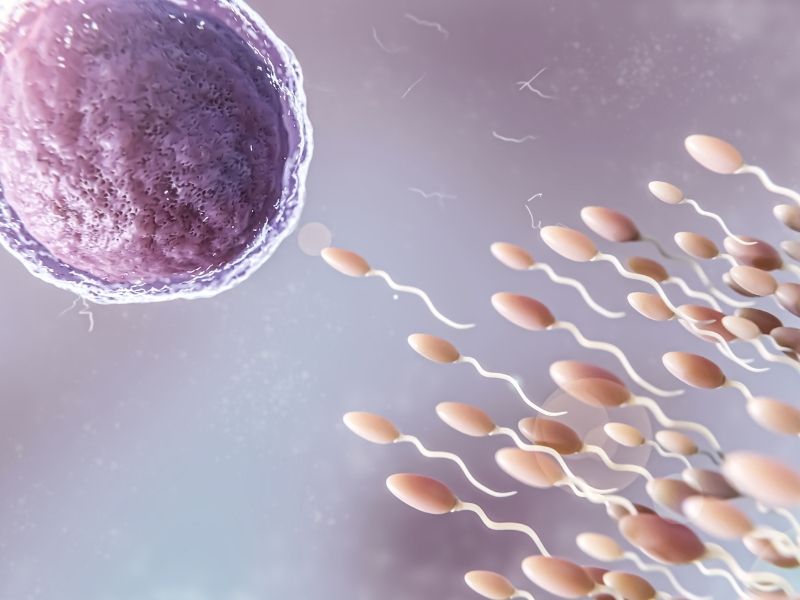
The IVF treatment process consists of several stages. Stimulation of the eggs, egg retrieval, fertilization, and embryo transfer are the main stages. Throughout this process, couples are regularly monitored by specialist physicians.
IVF Treatment In Male Infertility
Infertility related to the male factor is one of the important reasons that makes it difficult for couples to achieve pregnancy. For this reason, male reproductive health is evaluated in detail in assisted reproductive techniques. In men, sperm production, sperm motility, and sperm structure can directly affect the chance of pregnancy. In some cases, the sperm count may be low or the motility of the sperm cells may not be sufficient. In such cases, special microinjection techniques may be applied during IVF treatment. Thanks to this method, a selected sperm cell is placed directly into the egg. This application is an important method that can help achieve pregnancy in cases of male-factor infertility. Thus, fertilization may occur even in cases where the sperm count is low.
What Is Male Infertility?
Male infertility is the condition in which pregnancy cannot occur due to male-related reproductive system problems. For a normal pregnancy process to occur, sperm production in the male reproductive system must take place in a healthy way, the produced sperm cells must be transported from the testes, and they must have the characteristics necessary to fertilize the egg. Any problem occurring in this process may cause male infertility. Medically, the concept of infertility includes both female- and male-related reproductive problems. However, research shows that in a significant portion of couples who cannot achieve pregnancy, the male factor may play a role either alone or together with the female factor.
Male infertility may arise for different reasons. Insufficient sperm production, low sperm motility, or problems in the structural characteristics of sperm cells are among these causes. In addition, hormonal imbalances, genetic factors, vascular diseases such as varicocele, past infections, or some environmental factors may also contribute to male infertility. For this reason, the male reproductive system is examined in detail during infertility evaluation. In the diagnostic process, sperm analysis, hormone tests, physical examination, and when necessary, imaging methods may be used. Through these evaluations, the cause of infertility can be determined and an appropriate treatment plan can be created.
What Is The IVF Process Like In Patients With A Low Sperm Count?
In some men, the sperm count may be below normal reference values. This may reduce the chance of pregnancy through natural means because a sufficient number of healthy sperm cells is required for the egg to be fertilized. When the sperm count is low, couples may have difficulty achieving pregnancy naturally, and assisted reproductive methods may come to the agenda. At this point, IVF treatment can be considered an important option in cases of male-factor infertility.
In IVF treatment, the sperm sample obtained from the man is examined in detail in the laboratory. During this examination, the number, motility, and structural features of sperm cells are evaluated. Then the highest-quality and most motile sperm cells are selected. In some cases, a method called intracytoplasmic sperm injection (ICSI) may be applied, in which a single selected sperm cell is placed directly into the egg. Thanks to this technique, fertilization can be achieved even in patients with a low sperm count. After fertilization occurs, the embryos formed are transferred to the uterus after a certain development period. For this reason, IVF treatment is an important assisted reproductive method that can help achieve pregnancy in patients with a low sperm count.
Does Varicocele Cause Male Infertility?
One of the causes that may lead to male infertility is vascular enlargement known as varicocele. Varicocele occurs due to enlargement of the veins surrounding the testes. Enlargement of these veins may affect the blood circulation around the testes and may lead to disruption of the normal temperature balance of the testes. An increase in temperature in the testes may negatively affect sperm production. For this reason, varicocele is considered one of the important health problems that may be associated with male infertility. Varicocele in some men may be associated with a decrease in sperm count, slowing of sperm motility, or a decline in sperm quality. This may make natural conception more difficult. Therefore, the presence of varicocele may be investigated during infertility evaluation. In the diagnostic process, a physical examination is generally performed, and when necessary, imaging methods such as scrotal ultrasound are used. Thanks to ultrasound examination, the degree of vascular enlargement and the structure of the testes can be evaluated in more detail.
In patients diagnosed with varicocele, the treatment plan is determined according to the patient’s complaints, sperm test results, and the degree of varicocele. While regular follow-up may be sufficient in some patients, in some cases surgical treatment may be recommended. With varicocele surgery, the enlarged veins are tied off with the aim of regulating blood circulation in the testes. After this treatment, improvements may be seen in some patients in parameters such as sperm count and sperm motility, and the chance of pregnancy may increase.
What Is Low Sperm Count (Oligospermia)?
The condition in which the sperm count is below normal values is called oligospermia. This is one of the common causes of male infertility. A low sperm count may reduce the chance of fertilizing the egg. Although pregnancy is possible in men with a low sperm count, the process may take longer. For this reason, evaluation of sperm parameters is an important part of infertility investigation.
Analyses performed in the laboratory are used while evaluating sperm count. Through these analyses, sperm concentration, motility, and morphological features can be examined.
What Is Sperm Motility Disorder (Asthenospermia) And How Is It Treated?
Sperm motility disorder refers to the condition in which sperm cells do not have sufficient movement ability to reach the egg. In a healthy fertilization process, sperm cells must move through the uterus and tubes to reach the egg. For this reason, sperm motility is an important factor for achieving pregnancy. If the movement of sperm cells is slow or if they cannot move forward, the chance of fertilization may decrease.
Sperm motility disorder may arise for different reasons. Varicocele, past infections, hormonal imbalances, genetic factors, and some environmental factors may affect sperm motility. In addition, smoking, excessive alcohol consumption, obesity, prolonged exposure to high temperatures, and some medications may also negatively affect sperm quality. Therefore, in the diagnostic process, not only sperm analysis but also the patient’s general health condition and lifestyle are evaluated.
The treatment plan may vary according to the underlying cause. If an infection or hormonal problem affecting sperm motility is detected, treatment may be applied accordingly. In conditions such as varicocele, surgical treatment options may be considered. In addition, lifestyle changes, balanced nutrition, smoking cessation, and some supportive treatments may help improve sperm quality. In some cases, pregnancy may be planned using assisted reproductive methods. In this process, the detailed evaluation carried out by urology and reproductive health specialists plays an important role in determining the most appropriate treatment approach.
How Is Male Evaluation Performed Before IVF?
Before IVF treatment is planned, male reproductive health is evaluated in detail. This evaluation process may include sperm analysis, hormone tests, and when necessary, genetic examinations. The aim is to determine whether infertility is related to the male factor. In some men, symptoms of male infertility may not be clearly noticeable. For this reason, laboratory tests play an important role in the diagnostic process. In addition, in rare cases, changes in the appearance of semen may also attract attention. For example, some patients may consult a doctor about abnormal sperm color or different semen characteristics. Such situations may be taken into account during the evaluation process.
The infertility evaluation is not limited only to the male factor. Both sides of the couple are evaluated together. Because pregnancy requires the healthy functioning of both the female and male reproductive systems.

What Is A Sperm Test (Spermiogram) And How Is It Performed?
One of the most important steps in evaluating male infertility is the analysis known as the sperm test. Medically called a spermiogram, this test is a laboratory examination that provides basic information about male reproductive health. During the test, the semen sample is examined in the laboratory and the number, motility, concentration, and morphological structure of sperm cells are evaluated in detail. This evaluation plays an important role in determining possible problems that may affect pregnancy. For this reason, it is considered one of the first tests used in infertility investigations.
Before the spermiogram test is performed, some recommendations may be given to the patient. Sexual abstinence for a few days is usually recommended before the test, and the sample is collected in the laboratory.
The collected sample is examined under a microscope and sperm concentration, progressive motility rate, sperm structure, and other parameters are evaluated. Thanks to this analysis, it can be understood whether sperm production is normal and whether sperm cells have sufficient characteristics for fertilization. The test results are an important guide in determining the cause of male infertility, and the treatment plan can be shaped according to these data.
Why Are Hormone Tests Performed In Male Infertility?
Hormonal balance is very important for the healthy functioning of the male reproductive system. Sperm production in the testes is controlled by a complex hormonal system involving the hypothalamus, pituitary gland, and testes. Any disruption in this system may affect sperm production and lead to infertility. For this reason, hormone tests also have an important place in the evaluation of male infertility.
Hormone tests are usually performed by taking a blood sample. In these tests, hormone levels such as testosterone, FSH, LH, and prolactin are examined. These hormones provide important information about testicular functions and sperm production. Especially in cases where the sperm count is low, hormonal evaluation makes the diagnostic process more detailed. If an imbalance in hormone levels is detected, treatment may be planned accordingly. In some patients, sperm production may be supported with hormonal treatment, and positive results may be obtained regarding reproductive health.
When Are Genetic Tests Necessary In Male Infertility?
In some infertility cases, genetic factors may be at the root of the problem. Especially in cases where sperm production is severely reduced or no sperm is found, genetic evaluation may be necessary. Genetic tests are applied to investigate changes in chromosome structure or some genetic disorders that may affect sperm production. These tests are usually performed by taking a blood sample and conducting chromosome analysis in the laboratory. Through the examinations performed, differences in chromosomal structure or genetic mutations can be detected. This may help in understanding the cause of infertility. Especially in patients with severe sperm production disorders, genetic examinations can make an important contribution to the diagnostic process.
Genetic tests are not necessary in every case of infertility. However, they may be recommended by the doctor in the presence of certain clinical findings. In addition, evaluating genetic factors is important when assisted reproductive techniques are being planned. In this way, possible genetic risks can be identified and the treatment process can be planned more consciously.
Frequently Asked Questions About IVF And Insemination
1. What is the difference between IVF and insemination treatment?
In insemination treatment, sperm cells are prepared and placed directly into the uterus, and fertilization is expected to occur inside the body. In IVF treatment, fertilization takes place in the laboratory, and the resulting embryo is later transferred to the uterus. Which method is preferred is determined according to the couple’s medical evaluation.
2. Who is insemination treatment suitable for?
Insemination treatment may generally be preferred in couples with mild sperm problems or in cases of unexplained infertility. It is important for treatment success that the woman does not have an ovulation problem and that the tubes are open. The treatment plan is determined as a result of the couple’s overall evaluation.
3. In which situations is IVF treatment preferred?
IVF treatment may be applied in cases where pregnancy cannot be achieved naturally or when insemination treatment is not sufficient. It is an assisted reproductive method preferred in situations such as blocked tubes, serious sperm problems, or the inability to achieve pregnancy for a long time.
4. How is male infertility diagnosed?
Male infertility often may not cause any obvious symptoms. For this reason, laboratory tests such as sperm analysis and hormone tests are performed during the diagnostic process. These tests provide information about sperm count, motility, and structure.
5. What should be considered before a sperm test?
Before a sperm test, sexual abstinence for 2–5 days is generally recommended. This period allows the sperm sample to be evaluated more accurately. In addition, it is important for the sample to be delivered to the laboratory under appropriate conditions so that the test can provide reliable results.
6. Can untreated varicocele cause infertility?
Varicocele may affect sperm production and sperm quality in some men. This may make it more difficult to achieve pregnancy in the long term. However, infertility may not develop in every case of varicocele, and the treatment decision is made according to the patient’s condition.
7. Is it possible to have a child in people with a low sperm count?
A low sperm count may reduce the chance of pregnancy, but it does not eliminate it completely. Today, thanks to assisted reproductive methods such as IVF, many men with a low sperm count can become fathers. Specialist evaluation is important for an appropriate treatment plan.
8. How many times can insemination treatment be applied?
Insemination treatment is generally planned with a certain number of attempts. In most cases, it may be recommended to apply the treatment 2–3 times. If success is not achieved, other assisted reproductive methods such as IVF treatment may be considered according to the couple’s condition.
9. Which factors affect the success rate of IVF treatment?
The success rate of IVF treatment may vary depending on many factors. The woman’s age, ovarian reserve, sperm quality, embryo development, and uterine structure play an important role in this process. In addition, the couple’s general health condition and proper preparation for treatment may also affect treatment success.


