





Sexual health is an important part of overall health, and some infections can be transmitted from one person to another through unprotected contact. These infections are generally referred to as sexually transmitted diseases. Caused by bacteria, viruses, or parasites, these diseases can affect both men and women and may sometimes progress without causing any symptoms. For this reason, many people may not realize they are infected, and the disease can be passed on to others without being noticed.
- How Are Sexually Transmitted Diseases Transmitted?
- What Are The Symptoms Of Sexually Transmitted Diseases In Men?
- What Are The Most Common Sexually Transmitted Diseases?
- What Is Gonorrhea?
- What Is Chlamydia? Symptoms Of Chlamydia Infection
- What Is HPV (Human Papillomavirus)? Genital Warts And HPV Infection
- What Is Genital Herpes?
- What Is HIV And AIDS? How Is HIV Transmitted?
- How Are Sexually Transmitted Diseases Treated?
- Frequently Asked Questions About Sexually Transmitted Diseases
These infections, also commonly known as sexually transmitted infections, can lead to various problems involving the urinary tract, reproductive organs, and immune system if they are not detected at an early stage. For this reason, being informed about sexual health, using protective methods, and seeking medical evaluation when necessary are important. With regular check-ups and early diagnosis, the progression of many infections can be prevented and they can be brought under control with appropriate treatment. Especially after risky contact, medical evaluation can help detect the disease in its early stage and provide important protection for both individual and public health.
How Are Sexually Transmitted Diseases Transmitted?
The most common route of transmission for sexually transmitted infections is through unprotected sexual intercourse. During vaginal, anal, or oral contact, contact with the infected person’s body fluids may allow microorganisms to pass to another person. Some of these infections are transmitted only through sexual contact, while others may also spread through skin-to-skin contact. The presence of open sores or lesions in the genital area may especially increase the risk of transmission.
Some infections are not limited only to sexual contact. There may also be other routes of transmission such as contact with infected blood, shared needle use, or transmission from mother to baby during childbirth. For this reason, preventive methods and medical evaluations are very important. A sexually transmitted diseases test performed after risky contact may help detect infections in the early stage. Early diagnosis can make it possible to treat the disease and prevent it from being transmitted to others. Therefore, medical evaluation is recommended especially after unprotected contact.
What Are The Symptoms Of Sexually Transmitted Diseases In Men?
Sexually transmitted infections may cause clear complaints in some people, while in others they may go unnoticed for a long time. For this reason, it is important to carefully evaluate changes in the body after risky contact. Depending on the type of infection, symptoms may appear in different ways, and in some cases more than one symptom may occur at the same time. Changes in the genital area, urinary complaints, or lesions on the skin may be among the early signs of these diseases. Therefore, in suspicious situations, medical evaluation and the necessary tests are recommended.

Possible symptoms seen in men may include the following:
- Discharge in the genital area: White, yellow, or greenish discharge from the tip of the penis may be seen in some infections.
- Pain or burning during urination: This is one of the common symptoms of urinary tract infections.
- Redness and irritation in the genital area: Infection may cause skin sensitivity and redness.
- Blisters or sores in the genital area: Painful blisters may especially be seen in herpes infections.
- Wart formation in the genital area: In HPV infections, wart-like growths may appear in the genital area.
- Pain or tenderness in the groin area: Some infections may cause a feeling of discomfort in the groin.
- Tenderness or swelling in the testicles: Some bacterial infections may cause pain in the testicles.
- Increased frequency of urination: Frequent urination may be seen in infections affecting the urinary tract.
These symptoms may not always appear in the same way, and in some people no symptoms may occur at all. For this reason, it is important to consult a urologist or an infectious diseases specialist after unprotected contact or when suspicious symptoms are present. Early diagnosis makes it possible to plan appropriate treatment and reduce the risk of transmitting the disease to others.
What Are The Most Common Sexually Transmitted Diseases?
Sexually transmitted infections can occur due to different microorganisms. Some of these diseases are bacterial infections, while others are viral infections. Today, the most commonly seen infections include gonorrhea, chlamydia, HPV, genital herpes, and HIV. Some of these infections cause symptoms in the early stage, while others may progress unnoticed for a long time.
These infections, also known in society as venereal diseases, may lead to permanent problems in the reproductive system if they are not treated at an early stage. For this reason, medical evaluation after risky contact and the necessary tests are important. In modern medicine, many of these diseases can be treated or kept under control thanks to early diagnosis. Regular health check-ups and protective methods play an important role in preventing the spread of these infections.
What Is Gonorrhea?
Gonorrhea is a bacterial infection commonly known as gonorrhea. Caused by the bacterium Neisseria gonorrhoeae, this disease is usually transmitted through unprotected sexual contact. The infection most commonly affects the urinary tract and reproductive organs, but in some cases it may also be seen in the throat or rectal area. Gonorrhea is an infection that may occur especially in sexually active individuals and can spread if left untreated. For this reason, early diagnosis and appropriate treatment are very important.
Gonorrhea may progress without causing symptoms in some people. This can lead to the disease being passed on to others without being noticed. In people who do develop symptoms, complaints such as urinary discomfort, discharge in the genital area, or discomfort during urination may appear. Diagnosis is usually made through laboratory tests, and samples are examined to detect the infection. Since gonorrhea is a bacterial infection, antibiotic medications are used in its treatment. With appropriate treatment, the infection can be brought under control and the risk of complications can be reduced. In addition, evaluating partners during the treatment process is important in preventing reinfection.
What Is Chlamydia? Symptoms Of Chlamydia Infection
Chlamydia is an infection caused by the bacterium Chlamydia trachomatis and is quite common among sexually transmitted diseases. This infection may occur more frequently especially in young adults and in situations involving unprotected sexual contact. One of the most important features of chlamydia infection is that it may progress for a long time without causing symptoms in some people. This can lead to the disease being passed on to others without being recognized.
When symptoms do appear, a feeling of discomfort in the urinary tract or genital area may occur. Some people may develop complaints such as genital discharge, discomfort during urination, or pain in the groin area. However, in many cases no symptoms may be present. For this reason, medical evaluation and the necessary tests after risky contact are important. Diagnosis is usually made through laboratory tests, and since it is a bacterial infection, it can be controlled with antibiotic treatment. If left untreated, chlamydia infection may have negative effects on reproductive health. Therefore, early diagnosis and appropriate treatment are very important for both individual health and prevention of transmission.
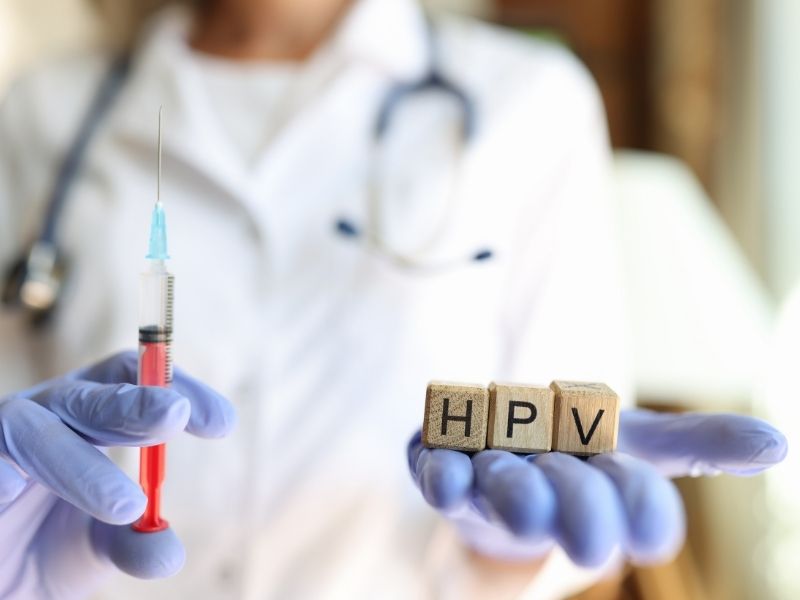
What Is HPV (Human Papillomavirus)? Genital Warts And HPV Infection
HPV is a group of viruses known as human papillomavirus that can be transmitted through sexual contact. Hpv infection is one of the most common viral infections seen worldwide. There are many different types of the virus, and some of these types may cause wart formation in the genital area. HPV infection may progress without causing symptoms in some people, and the person may not realize they are infected.
One of the best-known signs of HPV infection is wart formation in the genital area. These warts are medically referred to as genital warts and may appear as small bumps or raised growths on the surface of the skin. Some people may develop only one wart, while others may develop multiple warts. These growths may also be seen around the anus or, more rarely, inside the mouth. Some types of HPV infection do not cause genital warts but may be associated with other health problems.
One of the important methods of protection against HPV infection is vaccination. Today, the HPV vaccine can be administered in certain age groups and may provide protection against some HPV types. In addition, regular health check-ups and protective methods play an important role in preventing the spread of the infection.
What Is Genital Herpes?
Genital herpes is a viral infection caused by herpes viruses. The most common cause of this disease is the herpes simplex virus. The virus is generally transmitted through skin contact and may cause infection in the genital area. Genital herpes infection may present with clear symptoms during the first infection in some people, while in others milder symptoms may occur. In genital herpes infection, painful blisters, small sores, or skin irritation may be seen in the genital area. These blisters may later open and turn into small sores, healing within a few days. However, the virus may remain in the body permanently and may recur in certain periods in some people. For this reason, the disease may appear as recurrent attacks in some individuals.
Genital herpes may not be completely eliminated, but it can be brought under control with antiviral medications. Treatment may help relieve symptoms and shorten the duration of attacks. In addition, applying protective methods can reduce the risk of transmitting the infection to others.
What Is HIV And AIDS? How Is HIV Transmitted?
HIV is an infection caused by a virus that affects the immune system. This virus, whose full name is Human Immunodeficiency Virus, targets immune cells called CD4, which play an important role in the body’s defense against infections. A decrease in these cells over time may cause the immune system to weaken. If HIV infection progresses untreated for a long time, the immune system may become seriously affected and the advanced stage called AIDS may develop. AIDS is a condition in which the immune system has become significantly weakened and the body becomes more vulnerable to infections. Today, thanks to early diagnosis and modern treatment methods, the progression of HIV infection can largely be kept under control.
HIV infection is transmitted through certain routes. The virus is usually passed through the blood or certain body fluids of an infected person. The most common routes of transmission are as follows:
Unprotected sexual contact: The most common route of HIV transmission is unprotected sexual intercourse. The virus may pass to another person through the body fluids of an infected person.
Contact with infected blood: Contact with blood carrying HIV may cause transmission. The use of non-sterile needles is an especially important risk factor.
Shared needle use: Especially among people who use intravenous substances, sharing the same needle may lead to transmission of the virus.
Mother-to-baby transmission: HIV infection may pass from mother to baby during pregnancy, childbirth, or breastfeeding. Today, with appropriate treatment, this risk can be significantly reduced.
HIV infection may not cause obvious complaints in the early stage. For this reason, some people may not realize for a long time that they are infected. Diagnosis is usually made through blood tests. Especially after risky contact, testing helps detect the infection in the early stage.
Today, thanks to antiretroviral treatment, HIV infection can be kept under control for a long time. This treatment method helps protect the immune system by suppressing the replication of the virus. People who are diagnosed early and receive regular treatment can live a healthy life for many years.
Some preventive methods are important to reduce the spread of HIV infection:
- Using safe sexual practices
- Seeking medical evaluation after risky contact
- Using blood and medical equipment under sterile conditions
- Having regular health check-ups and tests
How Are Sexually Transmitted Diseases Treated?
Treatment of sexually transmitted infections varies depending on the microorganism causing the disease. In bacterial infections, antibiotic treatment is generally used, and the infection can be brought under control with appropriate medication. In viral infections, antiviral medications may be used, and these treatments can help reduce the effects of the virus and control symptoms. Which treatment method will be applied depends on the type of disease, the extent of the infection, and the person’s general health status.
During the treatment process, it is important to evaluate not only the patient but also the partner. In this way, the risk of reinfection can be reduced. Completing the treatment period recommended by the doctor and attending follow-up examinations are important for full recovery from the infection. In addition, using protective methods and avoiding risky contact may help prevent the spread of the disease.
Some important points to consider during treatment are as follows:
Using the medications prescribed by the doctor regularly and for the full recommended duration
Avoiding unprotected sexual contact until the treatment is completed
In necessary cases, ensuring that the partner is also tested and treated
Having follow-up tests after treatment
Seeking medical evaluation again if suspicious symptoms continue
These precautions help both improve treatment success and reduce the risk of the infection being transmitted again.
Frequently Asked Questions About Sexually Transmitted Diseases
1. What Are The Symptoms Of Sexually Transmitted Diseases?
Sexually transmitted infections may cause discharge, sores, blisters, or wart-like lesions in the genital area. Some people may also experience burning during urination, pain, or discomfort in the groin area. However, some infections can progress for a long time without causing any noticeable symptoms.
2. Can Sexually Transmitted Diseases Be Treated?
Many bacterial sexually transmitted diseases can be completely treated with appropriate antibiotic therapy. In viral infections, the disease may not be eliminated entirely, but it can often be controlled with treatment. Early diagnosis is important for treatment success.
3. Can Sexually Transmitted Diseases Cause Male Infertility?
Some sexually transmitted infections can affect the reproductive organs if left untreated. This may interfere with sperm production or sperm transport and increase the risk of infertility. For this reason, early diagnosis and treatment are important.
4. Can Sexually Transmitted Diseases Be Prevented Through Protection?
Using protective methods can significantly reduce the risk of transmission. In particular, condom use lowers the likelihood of many infections being passed from one person to another. Regular health check-ups are also important for prevention.
5. Can Sexually Transmitted Diseases Be Detected With Testing?
Yes, many sexually transmitted infections can be detected through laboratory tests. Blood tests, urine tests, or swab samples may be used for diagnosis. Getting tested after risky contact is important for early detection.
6. Can Sexually Transmitted Diseases Be Transmitted Through Oral Contact?
Some infections can be transmitted during oral contact. In particular, diseases such as HPV, herpes, and gonorrhea can affect the mouth or throat area. For this reason, unprotected contact may increase the risk of transmission.
7. Can HPV Be Seen In Men?
Yes, HPV infection can also occur in men. In some men, it may cause genital warts, while in others it may progress without causing symptoms. Therefore, HPV is an infection that can affect not only women but also men.
8. Do Sexually Transmitted Diseases Go Away On Their Own?
In some infections, symptoms may lessen over time, but this does not mean the disease has completely resolved. Untreated infections can progress and may be transmitted to others. For this reason, a doctor should always be consulted in suspicious cases.


