





Cancers

Bladder cancer symptoms can often first appear as subtle changes in urination habits.…
Read More
Testicular cancer treatment is important for people diagnosed with testicular cancer …
Read More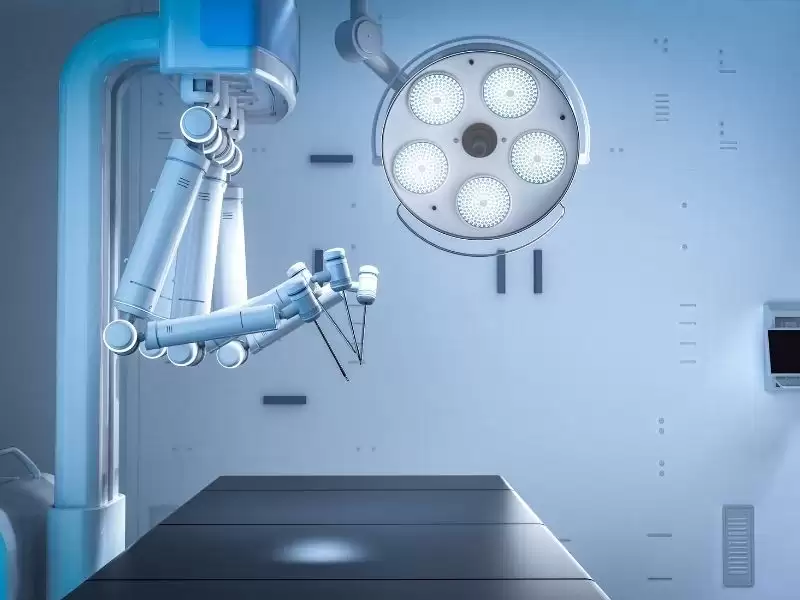
Robotic urology is a minimally invasive approach in urological surgery that aims to p…
Read More
Non-surgical prostate cancer treatment refers to methods that may be considered as al…
Read More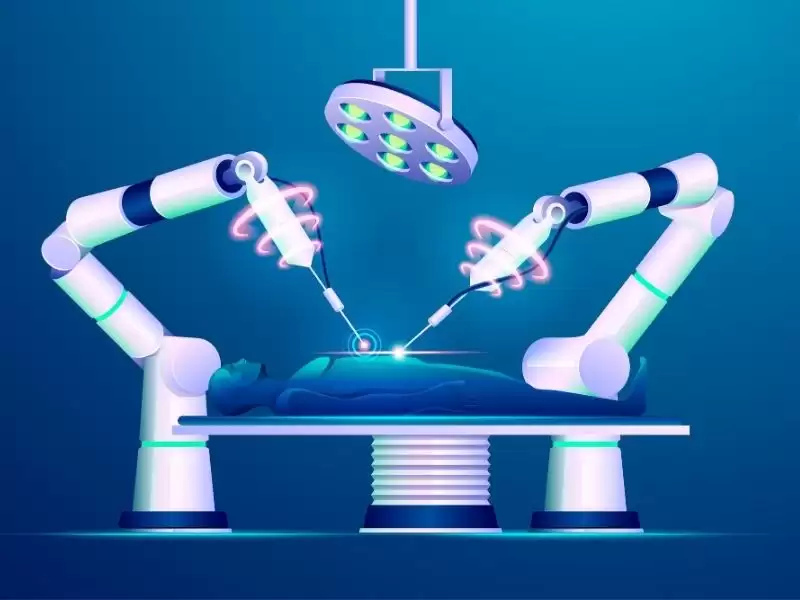
Robotic surgery in Ankara is a surgical method that has also begun to be used in Türk…
Read More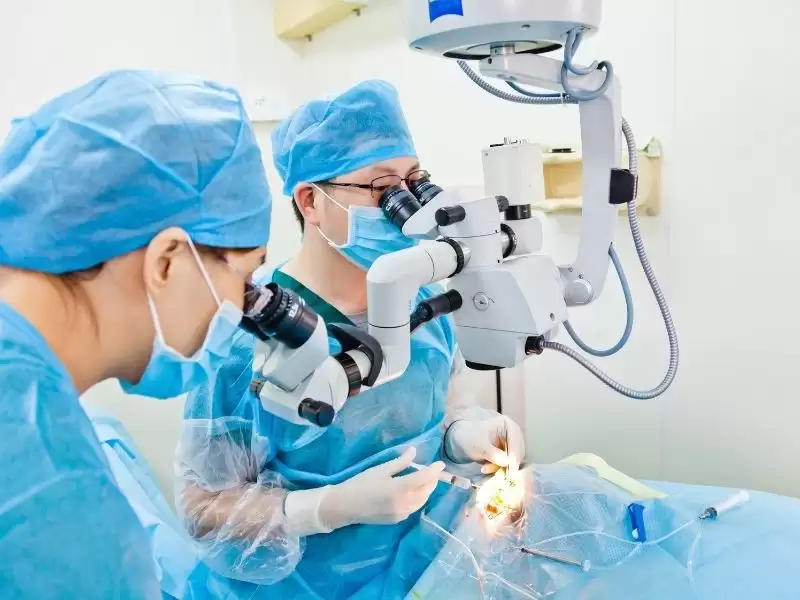
The question what is robotic surgery can be answered as a computer-assisted surgical …
Read More
Standard laparoscopic images are acquired by means of a single camera and give a two-…
Read More
Updating Content...…
Read More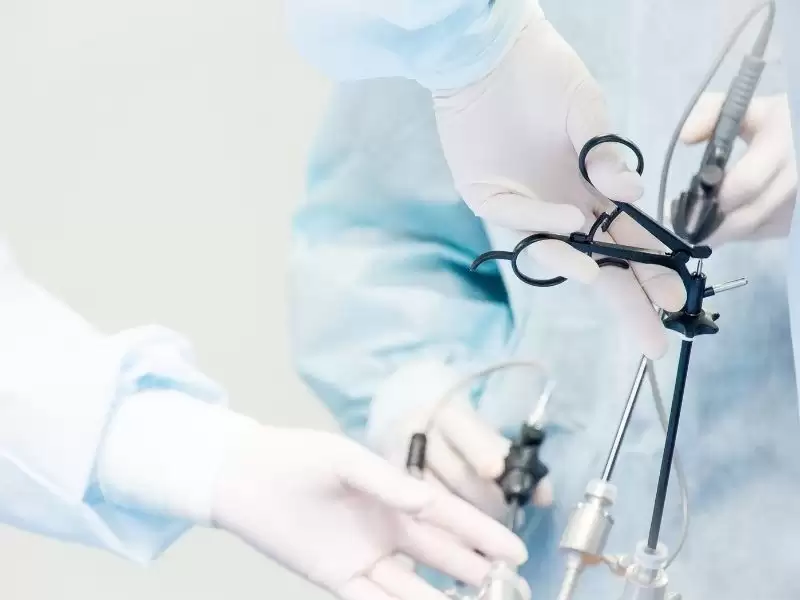
Laparoscopy literally refers to visualization of the abdominal cavity. In modern medi…
Read More
Urological cancers are a broad group of malignant tumors arising from the urinary sys…
Read More
Prostate cancer is one of the types of cancer that is most frequently seen in men and…
Read More
Prostate cancer is a problem that especially concerns men over the age of 50 and ther…
Read More
Once diagnosed, prostate cancer is treated according to the factors associated with t…
Read More
Robotic radical nerve-sparing prostatectomy: Surgical treatment gives excellent resul…
Read More
Ankara prostate cancer, in the most general sense, is a type of cancer that develops …
Read More
Radical cystectomy should be performed surgically in bladder tumors with muscle invol…
Read More
The bladder is an internal organ where the urine from the kidneys is stored and disch…
Read More
Ankara bladder cancer is a type of cancer that is generally seen in advanced ages wit…
Read More
Robotic Radical Nephrectomy: Complete removal of the cancerous kidney along with the …
Read More
Partial nephrectomy is a surgical procedure used in the treatment of kidney tumors an…
Read More
Robotic surgery has been widely used in the treatment of kidney cancer in recent year…
Read MoreUrological cancers include malignant tumors that can develop in the prostate, kidneys, bladder, testicles, and urinary tract. During the diagnostic process, imaging techniques, laboratory tests, and biopsies may be performed when necessary. The treatment plan is determined based on the type and stage of cancer, the extent of its spread, and the patient's overall health condition.