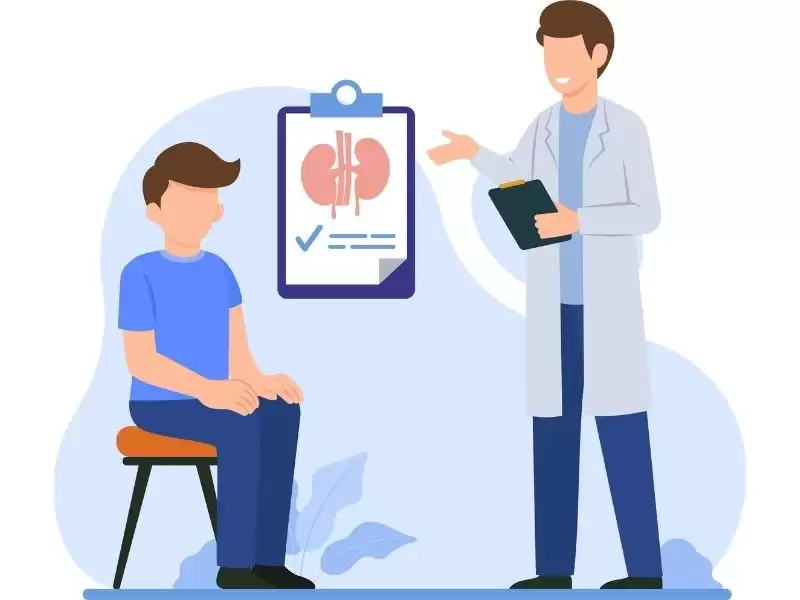
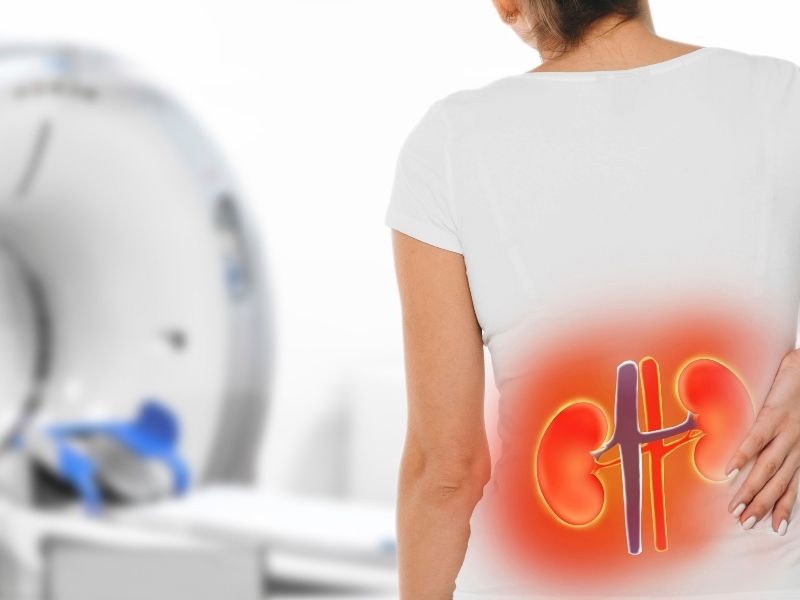
Kidney stones form when minerals and salts leave deposits during the process of filtering blood in the kidneys. Kidney stones can cause severe pain and may require emergency intervention. They may present with symptoms such as nausea and vomiting. Kidney stone treatment depends on the underlying cause of stone formation. Various treatment methods are available.
- How Is Kidney Stone Treatment Performed?
- How Long Does Kidney Stone Treatment Take?
- What Should Be Considered After Kidney Stone Treatment?
- Types of Kidney Stone Treatment
- What Can Be Done to Prevent Kidney Stone Formation?
- Which Doctor Should Be Consulted for Kidney Stone Treatment?
- Frequently Asked Questions About Kidney Stone Treatment
- Frequently Asked Questions About Kidney Stone Treatment

How Is Kidney Stone Treatment Performed?
Kidney stone treatment is planned by taking many factors into consideration. The location, size, and type of the stone determine which treatment method will be used. In particular, as the size of the kidney stone increases, the likelihood of spontaneous passage decreases, and more advanced treatments may be required. In terms of location, stones situated in the upper parts of the kidney have a higher chance of passing than those located in the lower parts.
Treatment methods also depend on the patient's symptoms. If kidney stones frequently recur, the underlying cause should be investigated. Blood values should be examined in detail. It should be determined whether the patient has a metabolic or hormonal disorder. Existing kidney abnormalities should be evaluated, and treatment should be planned accordingly.
How Long Does Kidney Stone Treatment Take?
Kidney stone treatment varies depending on the size of the stone in the patient's kidneys. Small stones may be passed through the urinary tract, while larger stones may require surgical treatment. To pass stones naturally, patients should drink plenty of fluids and use medications prescribed by their doctor. This process is completed within approximately two weeks. However, stones that cannot be passed naturally are treated through surgery or shock wave lithotripsy. The duration of surgery varies depending on the size of the stone.
What Should Be Considered After Kidney Stone Treatment?
There are several important points patients should pay attention to after kidney stone treatment. First, alcohol consumption and smoking should be stopped or reduced after stone treatment. During recovery, patients should avoid overexertion and excessive physical activity. Foods with high nutritional value should be consumed. Medications prescribed by the doctor should be taken regularly. Plenty of fluids should be consumed, and salt intake should be reduced.
Types of Kidney Stone Treatment
Kidney stones can be treated using various methods. So, which methods are used for kidney stone treatment? These methods primarily vary depending on the size and location of the stone in the kidney. Small kidney stones may pass through the urinary tract. Small stones may be treated with increased water intake and medications. Larger stones can be broken up using shock waves or treated surgically through ureteroscopy.
Water: Small kidney stones may pass naturally when the patient drinks plenty of water. Drinking 2–3 liters of water throughout the day may help flush the urinary tract and kidneys. People who consume sufficient water generally have clear urine. This is also a desired result during kidney stone treatment.
Medication: During kidney stone treatment, medications that stimulate the muscles of the urinary tract may help stones pass more easily. Medications can make the stone passage process more comfortable. Pain relievers may also be used to manage pain experienced during this process.

Shock Waves (SWL): Shock wave lithotripsy is a treatment method used for stones that cannot be passed using initial approaches. Powerful vibrations are generated by shock waves applied from outside the body, allowing kidney stones to be broken into smaller fragments. These smaller fragments are then passed out of the body through the urinary tract. The duration of shock wave treatment varies depending on the location and size of the stone. The procedure takes approximately 30–45 minutes and generally does not cause severe pain. However, sedation or mild anesthesia may be required because some discomfort may be experienced. This nonsurgical kidney stone treatment method is effective for kidney stones smaller than 2 centimeters.
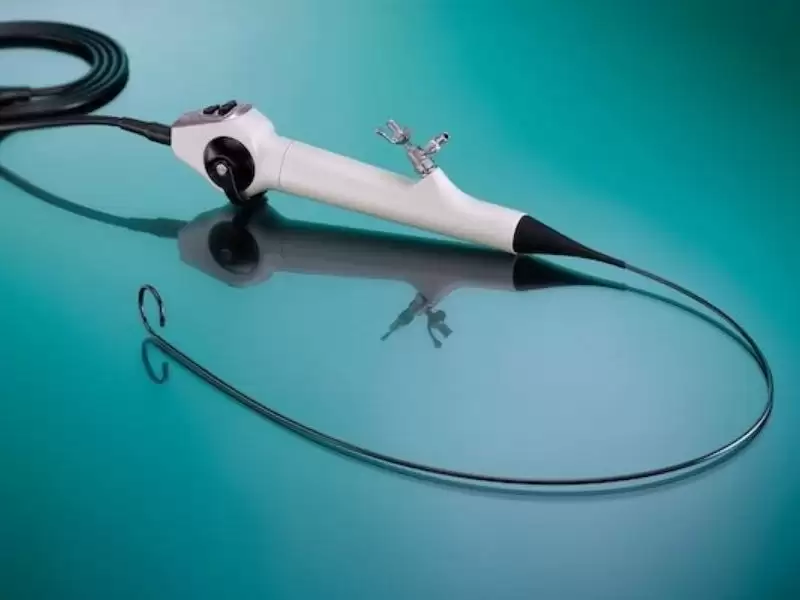
Ureteroscopy: In this surgical method, thin instruments are inserted into the kidney to break up stones. Flexible instruments allow access from the urinary opening to the kidneys. Stones that are small enough to be removed are extracted. Larger stones are fragmented into smaller pieces using a laser. Kidney stones are treated through retrograde intrarenal surgery, either by fragmentation or removal in one piece. If a suspicious finding is observed during the procedure, a tissue sample may be taken for biopsy.
Ureteroscopy is a surgical procedure performed under general anesthesia. A stent may be placed during surgery to help fragmented stones pass more easily into the bladder.
What Can Be Done to Prevent Kidney Stone Formation?
Kidney stones can develop for various reasons. Insufficient water intake, dietary habits that contribute to stone formation, or genetic factors may be responsible. Certain precautions can help prevent kidney stone formation. First, sufficient water should be consumed. People living in hot climates or exercising frequently should drink more water. A balanced diet should be maintained. Excessive salt consumption may contribute to kidney stone formation. Maintaining a balanced diet and reducing salt intake can help prevent kidney stones. It can also reduce the risk of other health problems.
Which Doctor Should Be Consulted for Kidney Stone Treatment?
Patients seeking kidney stone treatment should consult a urologist. Urologists specialize in kidney stones, bladder conditions, and prostate problems. Various kidney diseases may develop due to unhealthy eating habits or harmful lifestyle choices. Kidney stones can form for many reasons, and treatment should be provided by specialists according to these underlying causes. Kidney diseases may progress to kidney failure in advanced cases. Therefore, these conditions should be treated.
Frequently Asked Questions About Kidney Stone Treatment
Frequently Asked Questions About Kidney Stone Treatment
Can kidney stones be treated without surgery?
Kidney stone treatment can be performed without surgery using the ESWL method. Shock waves are applied without touching the body, breaking the stones into smaller pieces.
What should be done to pass a kidney stone?
Drinking plenty of water may be sufficient to pass small stones. However, larger stones may require stone fragmentation treatment or surgical treatment.
How are kidney stones removed?
Kidney stones are removed using a surgical procedure called ureteroscopy. Stones that are too large to be removed are broken into pieces using a laser during the operation.
What helps kidney stones pass the fastest?
Plenty of water should be consumed to help kidney stones pass quickly. Drinking sufficient fluids reduces urine concentration and helps the stone pass faster.
How many hours does ureteroscopy surgery take?
Ureteroscopy surgery is performed in an average time of approximately 2-3 hours.