Partial nephrectomy is a surgical procedure used in the treatment of kidney tumors and involves removing only the part of the kidney containing the tumor. This method is frequently preferred to preserve kidney function. So, how is partial nephrectomy performed, and in which situations is it preferred? Let's examine the details.
What Is Partial Nephrectomy?
Partial nephrectomy is a surgical technique used to treat kidney tumors. In this procedure, only the tumor-bearing portion of the kidney is removed rather than the entire kidney. This allows the healthy part of the kidney to be preserved, helping maintain the patient's kidney function. This method is particularly preferred for small and early-stage tumors.
How Is Partial Nephrectomy Performed?
Partial nephrectomy can generally be performed using three different techniques:
- Open Surgery: Performed through a large incision in the abdomen or flank.
- Laparoscopic Surgery: Performed using small incisions and specialized surgical instruments.
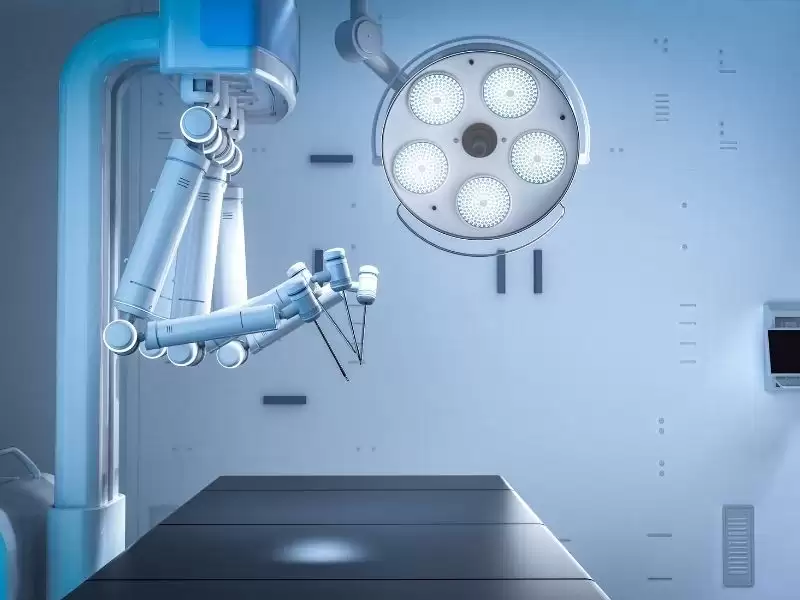
- Robotic Surgery: Performed with high precision using robotic arms.

Because open surgery requires larger incisions, the recovery period may be longer. However, it may be the most appropriate option in certain cases. Laparoscopic and robotic surgery are minimally invasive techniques, and recovery is generally faster.
What Are the Advantages of Partial Nephrectomy?
Partial nephrectomy offers several advantages:
- Preservation of Kidney Function: Avoiding removal of the entire kidney helps preserve a significant portion of kidney function.
- Less Pain and Faster Recovery: Minimally invasive techniques generally allow for a shorter recovery period.
- Lower Risk of Complications: Procedures performed through smaller incisions are associated with a lower risk of infection and certain other complications.
What Are the Side Effects of Partial Nephrectomy?
As with any surgical procedure, partial nephrectomy carries certain side effects and risks:
- Bleeding: There is a risk of bleeding during and after surgery.
- Infection: Infection may develop at the surgical incision sites.
- Loss of Kidney Function: Depending on the size and location of the tumor, kidney function may decrease.
- Damage to Other Organs: There is a risk of injury to surrounding organs, particularly during open surgical procedures.
Who Is a Suitable Candidate for Partial Nephrectomy?
Partial nephrectomy is generally preferred in the following situations:
- Small and Early-Stage Tumors: When the tumor is small, removing only the affected portion rather than the entire kidney may be more appropriate.
- Patients with a Single Kidney: In patients who have lost their other kidney, partial nephrectomy may be preferred to preserve the function of the remaining kidney.
- Patients with Reduced Kidney Function: Preserving part of the kidney is particularly important in patients whose kidney function is already impaired.
Partial nephrectomy is an important treatment option for kidney tumors and is frequently preferred to preserve kidney function. The suitability of this surgical technique is determined by considering the advantages of partial nephrectomy and its possible side effects. In all cases, patients should receive detailed information and undergo evaluation by an experienced surgeon.
In this article, we have explained what partial nephrectomy is, how it is performed, its advantages, possible side effects, and who may be suitable for the procedure. Since every patient's condition is different, surgical decisions should be individualized.