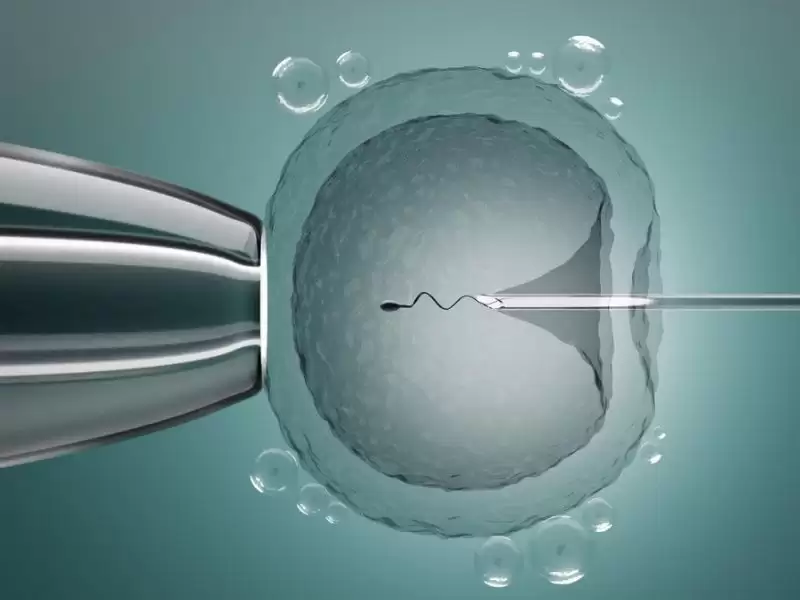
Sperm test is a laboratory examination that evaluates the number, motility characteristics, structure of sperm cells in a semen sample, as well as certain physical properties of the semen. Medically also known as semen analysis or spermiogram, this test is one of the basic examinations used particularly in the evaluation of male reproductive health and situations involving difficulty in achieving pregnancy.
A sperm test does not only assess sperm count. Many parameters such as semen volume, sperm concentration, total sperm count, motility, morphology and, when necessary, vitality are evaluated together. It is important that the results are not interpreted based on a single value. A result below the reference values does not by itself indicate infertility, just as having all values within the reference range does not guarantee natural pregnancy.
- What Is a Sperm Test?
- Why Is a Sperm Test Performed?
- What Should Be Considered Before a Sperm Test?
- How Many Days of Sexual Abstinence Are Required for a Sperm Test?
- Can Medications And Illnesses Affect a Sperm Test?
- How Is a Sperm Test Performed?
- Why Is It Important to Collect the Entire Sperm Sample?
- Can a Sperm Sample Be Collected at Home?
- What Is Evaluated in a Sperm Test?
- Sperm Count And Concentration
- Sperm Motility
- Sperm Morphology
- Semen Volume, pH And Vitality
- How Are Sperm Test Results Interpreted?
- What Are the Basic Terms Used in a Sperm Test?
- When Can a Sperm Test Be Repeated?
- Are a Sperm Test And a Sperm DNA Damage Test the Same?
- Frequently Asked Questions About Sperm Tests

What Is a Sperm Test?
Semen analysis is the laboratory examination of the physical and microscopic characteristics of a semen sample obtained during ejaculation. In this examination, also referred to as a sperm test, not only the sperm cells but also the overall structure and characteristics of the semen are evaluated. The amount, structure and certain characteristics of the seminal fluid are also part of the examination.
Spermiogram and sperm test are terms that are generally used to describe the same laboratory examination. The test provides information about the concentration of sperm cells within a certain volume of semen, the total sperm count, motility characteristics and structural features evaluated under a microscope.
Semen analysis can provide important information in the evaluation of male reproductive capacity; however, it is not a test that can determine on its own whether a person can have children. The likelihood of pregnancy is influenced by male and female reproductive health, age, medical conditions and various biological factors together.

Why Is a Sperm Test Performed?
A sperm test is most commonly requested to evaluate male reproductive factors in couples who have been unable to achieve pregnancy despite having regular, unprotected sexual intercourse for a certain period of time. It is one of the basic examinations used together with medical history and physical examination in the evaluation of male reproductive health.
In some cases, the test may be used during the evaluation of conditions such as varicocele that may affect sperm production. Semen analysis may also be performed to monitor changes in sperm parameters before and after certain diseases or procedures that may affect the reproductive system.
The reason for requesting the test is important when interpreting the results. The same laboratory value may have different meanings in different individuals depending on age, medical history, physical examination findings and other test results.
What Should Be Considered Before a Sperm Test?
Before a sperm test, obtaining the sample under appropriate conditions helps ensure that the results can be evaluated reliably. The duration of sexual abstinence, collection of the entire sample, the way the sample is transported to the laboratory and certain recent illnesses may affect semen parameters.
The preparation instructions provided by the laboratory should be followed before the test. If previous sperm tests have been performed, conducting the tests under similar preparation conditions may be preferred to allow a more reliable comparison.
If a recent illness accompanied by high fever has occurred, if medications are used regularly or if there is a health condition that may affect reproductive health, it is important to share this information during the evaluation.
How Many Days of Sexual Abstinence Are Required for a Sperm Test?
Before semen analysis, 2-7 days of sexual abstinence is generally recommended. Sexual abstinence means avoiding ejaculation during the specified period.
The duration of sexual abstinence may affect certain parameters such as semen volume, sperm concentration and motility. Since very short or very long abstinence periods may be associated with different results, it is important to follow the preparation period specified by the laboratory where the test will be performed.
Informing the laboratory about the number of days of sexual abstinence before the sperm test may also help with the interpretation of the results.
Can Medications And Illnesses Affect a Sperm Test?
Sperm production can be affected by certain changes in general health. In particular, recent illnesses accompanied by high fever, hormonal changes, certain medications and health conditions affecting the reproductive system may cause temporary or longer-lasting changes in semen parameters.
Therefore, an unexpected sperm test result does not necessarily indicate a permanent sperm production disorder. Depending on the individual's medical history, semen analysis may need to be repeated after a certain period of time.
How Is a Sperm Test Performed?
A sperm test is performed by analyzing a semen sample collected appropriately under specified laboratory conditions. The sample is usually obtained through masturbation and collected in a suitable specimen container provided by the laboratory.
The sample collection process is performed in an appropriate environment where the individual's privacy can be maintained. It is important to prevent foreign substances from contaminating the sample and to collect the semen directly into the designated container.
Standard condoms may not be suitable for collecting semen samples. Substances found in some condoms may affect sperm motility or vitality. If a different collection method is required under special circumstances, the method to be used should be determined in advance.
Why Is It Important to Collect the Entire Sperm Sample?
The sperm sample should be collected as completely as possible into the specimen container. Since sperm concentration may not be the same in every portion of the ejaculate, losing part of the sample may particularly affect total sperm count and sperm concentration results.
If part of the semen sample spills outside the specimen container, the laboratory should be informed. This allows the test result to be evaluated correctly and helps determine whether the analysis needs to be repeated.
Can a Sperm Sample Be Collected at Home?
In some cases, it may be possible to collect the semen sample at home. However, the type of container in which the sample should be collected, how quickly it should be delivered to the laboratory and the conditions that must be maintained during transportation should be clarified in advance.
Sperm motility can be affected by time and temperature changes. Therefore, if the sample is collected at home, the transportation and delivery conditions specified by the laboratory should be followed.
What Is Evaluated in a Sperm Test?
A sperm test evaluates different characteristics of both the semen fluid and sperm cells. Sperm test values are interpreted not individually but as part of the semen analysis as a whole.
The following basic parameters may be evaluated in semen analysis:
Semen volume
Sperm concentration
Total sperm count
Progressive motility
Total motility
Sperm morphology
Sperm vitality when necessary
Semen pH value
Presence of leukocytes when necessary
The fact that one of these parameters is outside the reference range does not mean that the other values are unimportant. The sperm test should be evaluated as a whole.

Sperm Count And Concentration
Sperm concentration refers to the number of sperm cells contained in one milliliter of semen. Total sperm count indicates the total number of sperm present in the entire semen sample.
Although these two values are related, they are not the same. For example, two individuals with similar sperm concentrations may have different total sperm counts if their semen volumes differ.
In current laboratory evaluations, a sperm concentration of approximately 16 million/ml and a total sperm count of approximately 39 million in the entire ejaculate may be considered among the lower limits of the reference distribution. However, these values are not definitive thresholds that distinguish fertile and infertile men.
A sperm concentration below this level does not mean that natural pregnancy is impossible. The result should be interpreted together with other semen parameters and the individual's reproductive health.
Sperm Motility
Sperm motility is the evaluation of how sperm cells move under a microscope. Sperm cells that move forward are specifically defined as progressively motile sperm.
Both total motility and progressive motility may be evaluated in semen analysis. In current reference distributions, approximately 42 percent for total motility and approximately 30 percent for progressive motility may be considered among the lower reference levels.
A result below these percentages does not mean that the individual cannot have children. The evaluation is performed together with sperm count, semen volume, morphology and other reproductive factors.
Sperm Morphology
Sperm morphology refers to the evaluation of the shape and structure of sperm cells under a microscope according to specific criteria. During the examination, the sperm head, midpiece and tail structure are taken into consideration.
The criteria used in morphology assessment are quite detailed. In current reference distributions, approximately 4 percent may be used as one of the lower reference levels for the proportion of sperm with normal morphology.
A low percentage should not be misinterpreted. Having 4 percent normal morphology does not mean that all other sperm cells in the sample are nonfunctional. Morphology results should be evaluated together with the other parameters of the sperm test.
Semen Volume, pH And Vitality
Semen volume refers to the total amount of semen obtained during ejaculation. In current reference distributions, approximately 1.4 ml of semen volume may be used as one of the lower reference values.
A lower volume does not by itself indicate the presence of a specific disease. Sample collection problems, such as failure to collect the entire sample into the container, may also affect semen volume.
Vitality is a parameter used to assess whether sperm cells are alive. Particularly when motility is markedly reduced, it may provide additional information about whether non-motile sperm cells are alive.
Semen pH and other physical characteristics may also be among the supplementary parameters of laboratory evaluation.
How Are Sperm Test Results Interpreted?
Sperm test results should not be interpreted based on a single number. In semen analysis, values such as sperm concentration, total count, motility, morphological structure and semen volume are evaluated as a whole.
The reference values provided in laboratory reports are not definitive fertility thresholds. These values help indicate the distribution of semen characteristics observed in certain reference populations.
For example, a sperm concentration below approximately 16 million/ml does not by itself establish a diagnosis of infertility. Similarly, having sperm count, motility and morphology values within the reference ranges does not guarantee that an individual will achieve pregnancy naturally.
In addition to male reproductive characteristics, female reproductive health, the couple's age, the timing of sexual intercourse and various biological factors also play a role in achieving pregnancy.
When significant changes are detected in sperm test results, the evaluation may not be limited to the laboratory report alone. Medical history, physical examination and, when considered necessary, hormonal tests, imaging methods or additional tests may also be used.
What Are the Basic Terms Used in a Sperm Test?
Different medical terms may be used to describe sperm parameters in a spermiogram result. These expressions generally describe a specific laboratory finding identified during semen analysis.
Oligozoospermia refers to sperm concentration being below the reference level used. It means low sperm concentration but is not, by itself, a diagnosis of infertility.
Azoospermia refers to the absence of detectable sperm cells in the semen sample. Since azoospermia can have different causes, the finding may need to be confirmed and its underlying cause investigated.
Asthenozoospermia refers to sperm motility being below the reference levels.
Teratozoospermia refers to a low proportion of sperm cells with normal morphology according to the morphology criteria used.
Each of these terms describes a laboratory finding. The likelihood of having children cannot be determined by considering only one of these terms.
When Can a Sperm Test Be Repeated?
Repeating a sperm test may be considered particularly when the first semen analysis produces results that differ from the reference values. One of the main reasons for this is that sperm and semen characteristics can vary over time in the same individual.
Sperm production is a continuous biological process. The duration of sexual abstinence, illnesses, sample collection conditions and various physiological factors may cause differences between test results.
If abnormal results are identified in the first semen analysis, more than one sperm test may be required to confirm the findings. The timing of the repeat test is determined according to the nature of the initial finding and the individual's health status.
Therefore, it is not appropriate to specify a single sperm test repetition interval that applies to everyone.
Are a Sperm Test And a Sperm DNA Damage Test the Same?
Standard semen analysis and sperm DNA damage assessment are different tests. A sperm test primarily evaluates sperm count, concentration, motility, morphology, semen volume and other basic laboratory characteristics.
Sperm DNA fragmentation tests evaluate the integrity of the genetic material within sperm cells using different laboratory methods. A normal standard semen analysis does not necessarily mean that sperm DNA is normal, just as an abnormality in semen analysis does not directly indicate the presence of DNA damage.
Sperm DNA assessment does not need to be performed routinely in every man. It may be considered as an additional evaluation in certain situations such as recurrent pregnancy loss, unexplained infertility or repeated failure in certain assisted reproductive procedures.
For individuals searching for an Ankara sperm test, it is important that the values in semen analysis are not evaluated simply as normal or low. Sperm count, motility, morphology and other semen parameters may be assessed together with the individual's medical history and other urological evaluations considered necessary.
Frequently Asked Questions About Sperm Tests
Is a Sperm Test Performed on an Empty Stomach?
Fasting is generally not required for a sperm test. If other blood or laboratory tests are also going to be performed, additional preparation may be required for those tests.
Which Department Should I Visit for a Sperm Test?
Sperm parameters and conditions related to the male reproductive system are evaluated in the field of urology. When necessary, additional tests related to male reproductive health may also be performed.
Why Can Sperm Test Results Vary?
Semen parameters may vary in the same person at different times. The duration of sexual abstinence, recent health problems and the way the semen sample is collected may cause changes in test values.
Can a Febrile Illness Affect Sperm Values?
Some illnesses accompanied by high fever may temporarily affect sperm production. Therefore, recent illnesses may be taken into consideration when interpreting sperm test results.
What Should Be Done If Part of the Sperm Sample Is Spilled?
If part of the semen sample could not be collected in the specimen container, the laboratory should be informed. An incomplete sample may particularly affect the accurate evaluation of semen volume and total sperm count.
Is a Normal Sperm Test Enough to Have a Child?
No. Having sperm test values within the reference range does not guarantee pregnancy because the reproductive process is influenced by many factors related to both male and female reproductive health.
Can Smoking Affect Sperm Values?
Smoking may be associated with adverse effects on sperm count, motility, morphology and overall reproductive health. However, a change in a single sperm test result cannot be attributed solely to smoking.