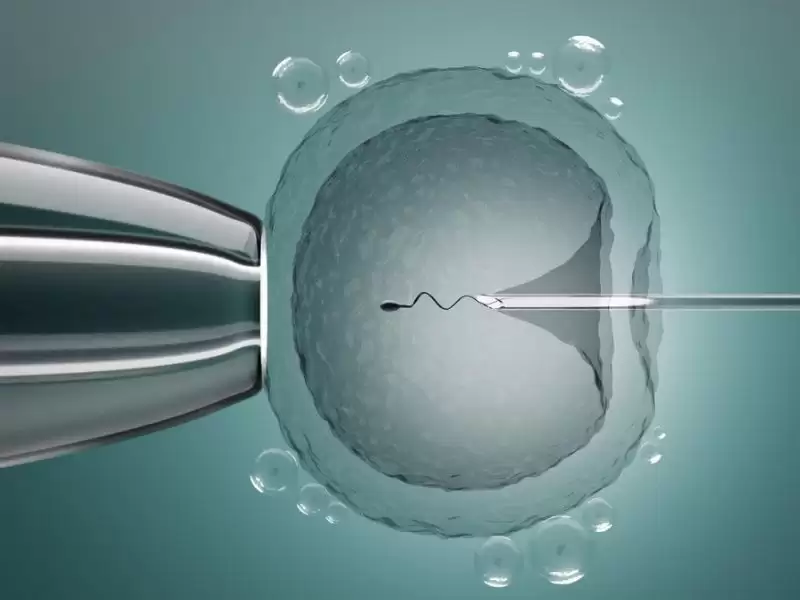
When evaluating male reproductive health, sperm count, motility, and morphology are often the main focus. However, it is now known that the genetic structure of sperm cells is at least as important as these parameters. The integrity of sperm DNA plays a decisive role in many stages, from fertilization to embryo development. Therefore, sperm DNA damage is an issue that requires careful consideration, particularly for couples planning to have children.

What Is Sperm DNA Damage?
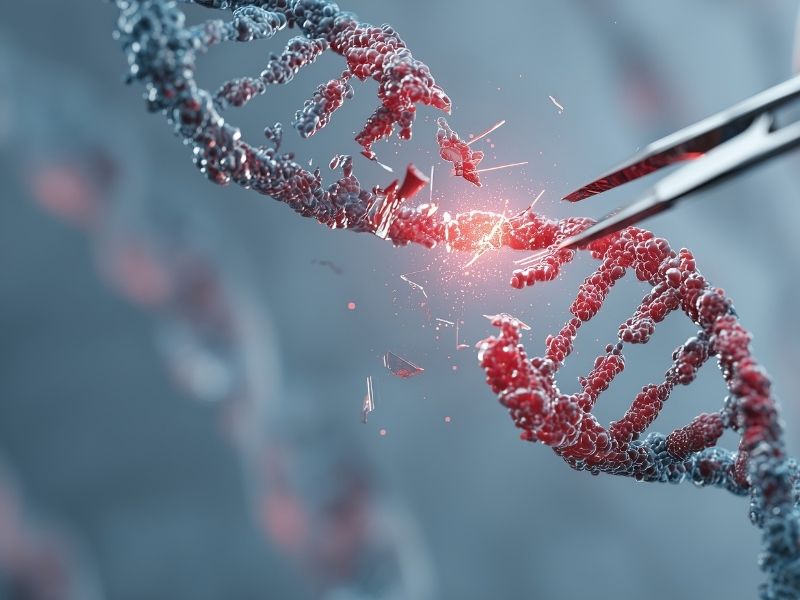
Sperm DNA damage refers to breaks or abnormalities in the DNA strands that make up the genetic material of a sperm cell. This condition may affect the sperm's ability to fertilize an egg and the subsequent developmental process after fertilization. Because DNA damage can occur even in sperm that appear normal in shape and motility, it may not always be detected through conventional semen analysis.
What Causes Sperm DNA Damage?
Sperm DNA damage may develop through various mechanisms during the period from sperm production to ejaculation. This damage is often not caused by a single factor but develops through a combination of several factors. Causes that disrupt DNA integrity are generally associated with cellular stress, environmental influences, and certain medical conditions.
Oxidative stress:
It is one of the most important causes of sperm DNA damage. An increase in free oxygen radicals in the body may cause breaks in the DNA structure of sperm cells. Compared with other cells, sperm cells are more vulnerable to oxidative stress because their DNA repair mechanisms are limited.
- Smoking and alcohol consumption:
Toxic substances in cigarette smoke and harmful byproducts of alcohol metabolism increase oxidative damage in sperm cells. This may disrupt the structural integrity of sperm DNA and increase DNA fragmentation rates.
Exposure to high temperatures:
Prolonged exposure of the testicles to temperatures higher than normal negatively affects sperm production. Sitting for extended periods, frequent sauna use, or tight clothing may increase testicular temperature and contribute to sperm DNA damage.Infections and inflammatory conditions:
The inflammatory response that develops during urogenital infections increases the production of free radicals. This may cause abnormalities in the DNA structure of sperm cells.Varicocele:
Varicocele, characterized by enlargement of the veins around the testicles, may disrupt oxygen delivery and temperature regulation in testicular tissue. These changes can affect sperm production and lead to DNA damage.Advanced age:
As men age, the effectiveness of DNA repair mechanisms in sperm cells may decline. This may contribute to increased sperm DNA fragmentation rates.Environmental toxins and chemicals:
Heavy metals, pesticides, and certain industrial chemicals may directly or indirectly damage sperm DNA. Long-term exposure may increase the risk.Stress and an irregular lifestyle:
Prolonged psychological stress may indirectly impair sperm production by affecting hormonal balance. Irregular sleep and unhealthy eating habits are also among the factors that may negatively affect this process.Certain medications and treatments:
Some medical treatments or medications may temporarily or permanently affect sperm DNA integrity. Therefore, medication history should be considered during the evaluation process.
In Which Situations Is Sperm DNA Damage More Common?
Sperm DNA damage can occur in any age group, but it is more common in certain circumstances. Sperm DNA integrity is evaluated in greater detail, particularly in cases of unexplained infertility or in couples experiencing recurrent pregnancy loss.
The possibility of sperm DNA damage is also considered in older men, individuals with a long history of infertility, and cases where pregnancy has not been achieved despite assisted reproductive techniques.
How Does Sperm DNA Damage Affect Pregnancy?
Sperm DNA damage may affect healthy embryo development even when fertilization occurs. Embryos formed from sperm carrying damaged DNA may experience implantation problems or early pregnancy loss. This condition does not always completely prevent pregnancy, but it may affect its continuation. Therefore, sperm DNA integrity is important not only for achieving pregnancy but also for the healthy progression of pregnancy.

How Is Sperm DNA Damage Evaluated?
To evaluate sperm DNA damage, specialized laboratory tests are used. These tests aim to measure breaks and abnormalities in the DNA strands of sperm cells. Unlike standard semen analysis, these tests provide a more detailed assessment. The choice of test is determined according to the patient's clinical condition and medical history.
Can Sperm DNA Damage Be Treated?
Treatment of sperm DNA damage varies depending on its underlying cause. The primary goal is to identify the contributing factors and eliminate them whenever possible.
Lifestyle modifications, treatment of infections, or management of certain existing medical conditions may have a positive effect on sperm DNA integrity. However, the same approach may not be appropriate for every patient, and the process should be evaluated individually.