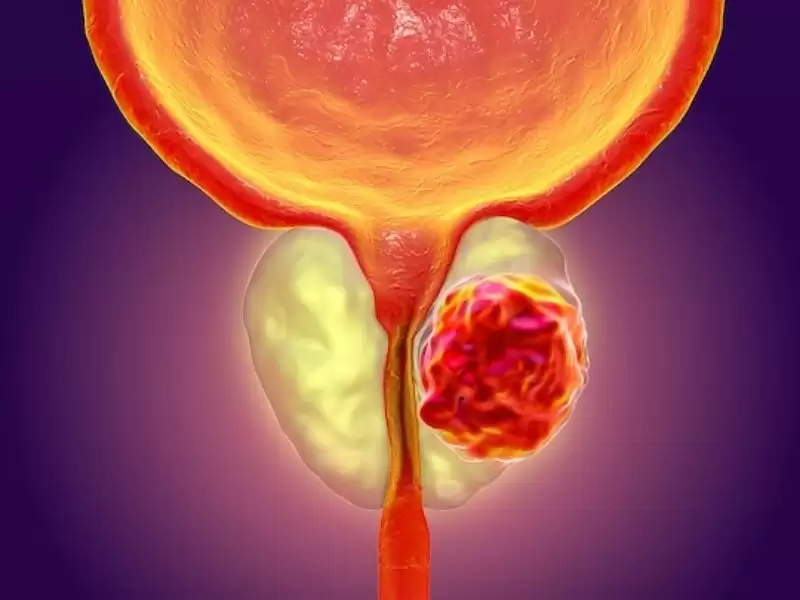
Water vapor therapy is a modern, minimally invasive treatment method developed particularly for men with benign prostatic hyperplasia (BPH). Today, many men seek nonsurgical treatment options to relieve this condition, which can negatively affect their quality of life. Water vapor therapy stands out as an effective and successful alternative. In this method, controlled water vapor is delivered into prostate tissue, causing it to shrink and reducing pressure on the urinary passage. The treatment is notable for being a relatively short procedure that usually does not require hospitalization and carries a low risk of complications. It also offers important advantages in preserving sexual function.

What Is Water Vapor Therapy?
Water vapor therapy is a modern, minimally invasive approach used to treat benign prostate enlargement (benign prostatic hyperplasia – BPH) that has gained prominence in urology in recent years. This technique, which involves considerably fewer risks than traditional surgical methods, offers patients a more comfortable treatment experience. Known in medical literature and clinical practice as the "Rezūm System," this procedure is performed using a specialized FDA-approved device that targets enlarged prostate tissue and produces effective tissue shrinkage.
The Rezūm device produces sterile water vapor at a temperature of 103°C. This vapor is injected directly into the enlarged area of the prostate using a specially designed catheter. When the vapor penetrates prostate tissue, it disrupts cell membranes, causing damage at the cellular level. Dead cells and damaged tissue are gradually absorbed naturally by the body, resulting in a noticeable reduction in prostate volume. As the prostate shrinks, the pressure exerted by the enlarged prostate on the urethra decreases, significantly relieving the patient's difficulty urinating.

How Is Water Vapor Therapy Performed?
During water vapor therapy, the physician inserts a thin catheter through the urethra. The tip of this catheter contains a specially designed mechanism that delivers water vapor to the targeted prostate tissue. Each vapor application lasts approximately 9 seconds and may be administered at several points depending on prostate size. Local anesthesia is generally preferred during the procedure, although mild sedation may be used in some cases to improve patient comfort. The duration of water vapor therapy typically ranges from 10 to 15 minutes, making it a treatment option that can be completed in a very short time.
Recovery after the procedure is generally comfortable. Patients are usually discharged on the same day and continue resting at home.
During the first few days, temporary effects such as frequent urination, burning during urination, a sensation of incomplete bladder emptying, or mild blood in the urine may occur. However, these side effects generally resolve spontaneously within 5 to 7 days. Some patients may temporarily require a urinary catheter, which is usually removed within 2 to 5 days.
What Are the Advantages of Water Vapor Therapy?
One of the most notable features of water vapor therapy is that it is considerably less invasive than prostate surgery. This means that the body's natural structures are disrupted as little as possible during the procedure. The vapor targets only enlarged prostate tissue without damaging the surrounding healthy tissue. Thanks to this precise approach, recovery is both more comfortable and significantly shorter. Prolonged hospitalization, severe bleeding, and surgical scars that may be associated with conventional operations are generally not seen with this method.
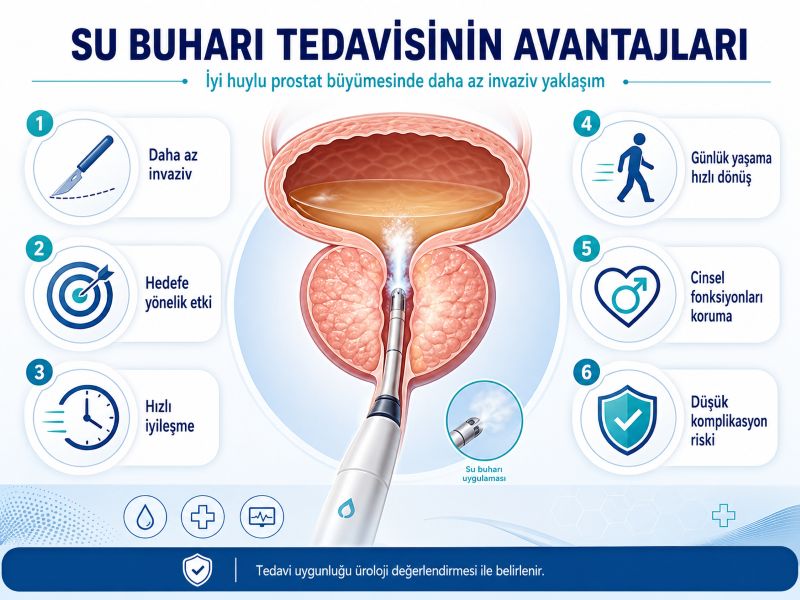
The vast majority of patients can return to their daily lives without difficulty within a few days after treatment. The time required to return to work is short, and even physically demanding activities may be resumed relatively soon. Water vapor therapy is particularly appealing to people with demanding work schedules or those who cannot or do not wish to spend a long period resting after surgery.
Furthermore, this treatment method has very limited negative effects on sexual function and produces successful results in preserving sexual health for most patients. Complications commonly associated with prostate surgery, such as retrograde ejaculation (semen flowing backward into the bladder) or erectile dysfunction, are quite rare with water vapor therapy. All nerves are preserved during treatment, helping prevent damage to sensitive tissues. This is a major advantage, particularly for patients who wish to preserve their sexual health.
Additionally, the very low incidence of complications such as urinary incontinence allows patients to undergo treatment while maintaining their quality of life. Such problems, which may occur with traditional surgical methods, have rarely been reported with water vapor therapy.
Who Is Not Suitable for Water Vapor Therapy?
As with any treatment method, water vapor therapy may not be suitable for every patient. This method should not be preferred in patients with very advanced prostate enlargement or in individuals at risk of prostate cancer. In addition, patients with severe urinary tract infections must first receive treatment for the infection.
In some patients, the Rezūm System may not produce the expected effect. In such cases, alternative treatment options may be recommended following an individualized assessment. Therefore, every patient should undergo a detailed evaluation by a urology specialist before starting treatment.

Water vapor therapy has become a new source of hope for many men whose daily lives are affected by prostate enlargement. Because it can be performed quickly, does not involve the risks associated with surgery, and helps preserve sexual health, it is among the most preferred solutions in modern urology. Patients can usually return to normal life shortly after the procedure and experience noticeable improvements in their urinary symptoms.