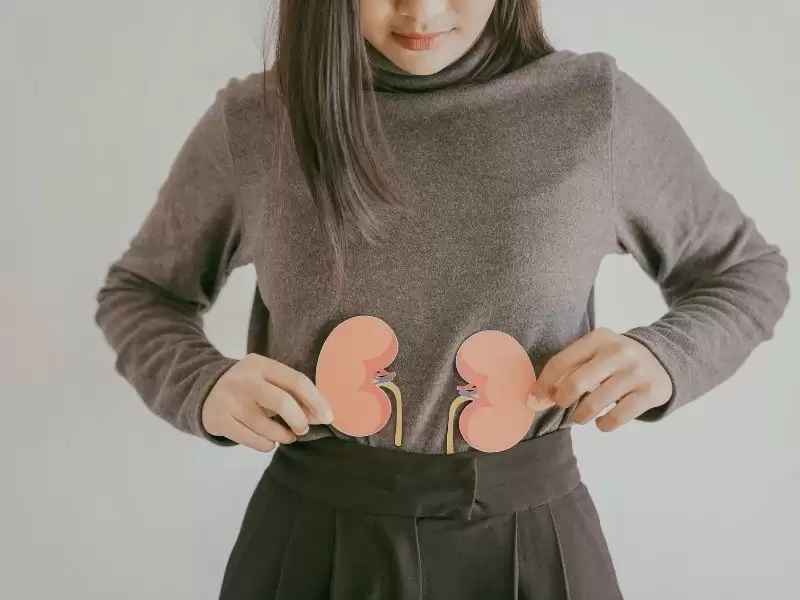
If you have been told after imaging in the emergency department that you have a 5 mm, 6 mm, or 8 mm kidney stone, the first question that usually comes to mind is whether the stone will pass naturally. Especially if you have been given painkillers and sent home, it is perfectly normal to wonder whether surgery is necessary or simply waiting will be enough.
The question of what size kidney stone can pass naturally cannot be answered with a single millimeter limit. In general, the smaller the stone, the greater the likelihood of spontaneous passage. However, whether the stone is in the kidney or ureter, which part of the ureter it is located in, whether it obstructs urine flow, and whether it causes infection are just as important as its size.
Therefore, while some 6 mm stones may pass naturally, even a smaller stone may require intervention because of its unfavorable location or the obstruction it causes. Waiting for a stone to pass does not mean enduring pain for days or weeks without medical supervision.
- What Is the Likelihood of Passing a Kidney Stone Based on Its Size?
- What Factors Other Than Size Affect Stone Passage?
- Stone Location: Kidney or Which Part of the Ureter?
- Stone Shape and Composition
- Previous Stone History and Anatomy
- How Long Does It Take for a Stone to Pass? What Is the Limit of Waiting?
- Treatment to Facilitate Stone Passage
- What Can Be Done at Home: Fluids, Movement, and Pain Management
- Fluid Intake
- Movement
- Pain Management
- Kidney Stone Passage Myths: Beer, Jumping Rope, and Others
- Does Beer Help Pass Kidney Stones?
- Does Jumping Rope Help Pass Kidney Stones?
- Does Lemon Water Help Pass Kidney Stones?
- Does Drinking Plenty of Water Guarantee Stone Passage?
- Which Symptoms Require Emergency Medical Attention?
- Warning Signs
- If the Stone Does Not Pass: Laser, ESWL, and Other Methods
- Ureteroscopy and Laser Treatment
- ESWL
- After the Stone Passes: Have the Stone Analyzed
- Frequently Asked Questions

What Is the Likelihood of Passing a Kidney Stone Based on Its Size?
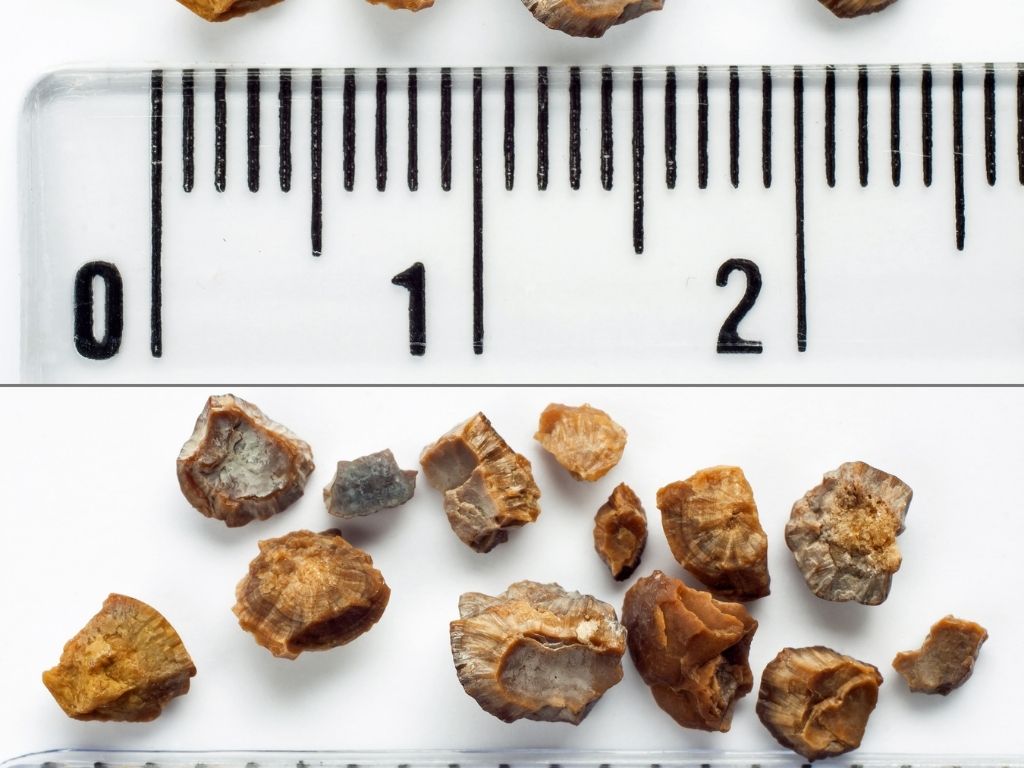
When evaluating the likelihood of a stone passing naturally, size is one of the important criteria. Smaller stones can generally travel through the urinary tract and reach the bladder more easily.
However, the following table should be considered a general guide rather than a guarantee that a stone will pass:
| Stone Size | General Likelihood of Spontaneous Passage | Important Consideration |
|---|---|---|
| 4 mm or smaller | Relatively high | The stone's location and any obstruction it causes remain important |
| 5–6 mm | May be moderate | Its location within the ureter is a determining factor |
| 7–8 mm | May be lower | Closer monitoring and intervention may be necessary |
| 9–10 mm and larger | Spontaneous passage is less likely | Active treatment is considered more frequently |
In particular, the question can a 5 mm stone pass naturally is asked very frequently. Yes, a 5 mm stone may pass on its own. However, a 5 mm stone located in the upper ureter near the kidney may not have the same chance of passing as a 5 mm stone that has moved closer to the bladder.
Similarly, the answer to can an 8 mm stone pass naturally is not an absolute no. There are cases in which 8 mm stones pass spontaneously, but their likelihood of passing is lower than that of smaller stones, and intervention becomes more likely to be considered.
Therefore, it is not appropriate to conclude that surgery will definitely be required or that a stone will certainly pass based solely on the millimeter measurement in an imaging report.
What Factors Other Than Size Affect Stone Passage?
Although the diameter of the stone is important, it is not sufficient on its own. Two stones of the same size may behave completely differently in different patients.
Stone Location: Kidney or Which Part of the Ureter?
A stone located inside the kidney is not evaluated in the same way as a ureteral stone.
The ureter is the narrow tube that carries urine produced by the kidney to the bladder. When a stone leaves the kidney and enters the ureter, it attempts to move through this passage and may cause severe pain known as renal colic.
Small stones that have reached the lower part of the ureter near the bladder may, in some cases, have a higher likelihood of passing spontaneously than stones located in the upper ureter near the kidney.
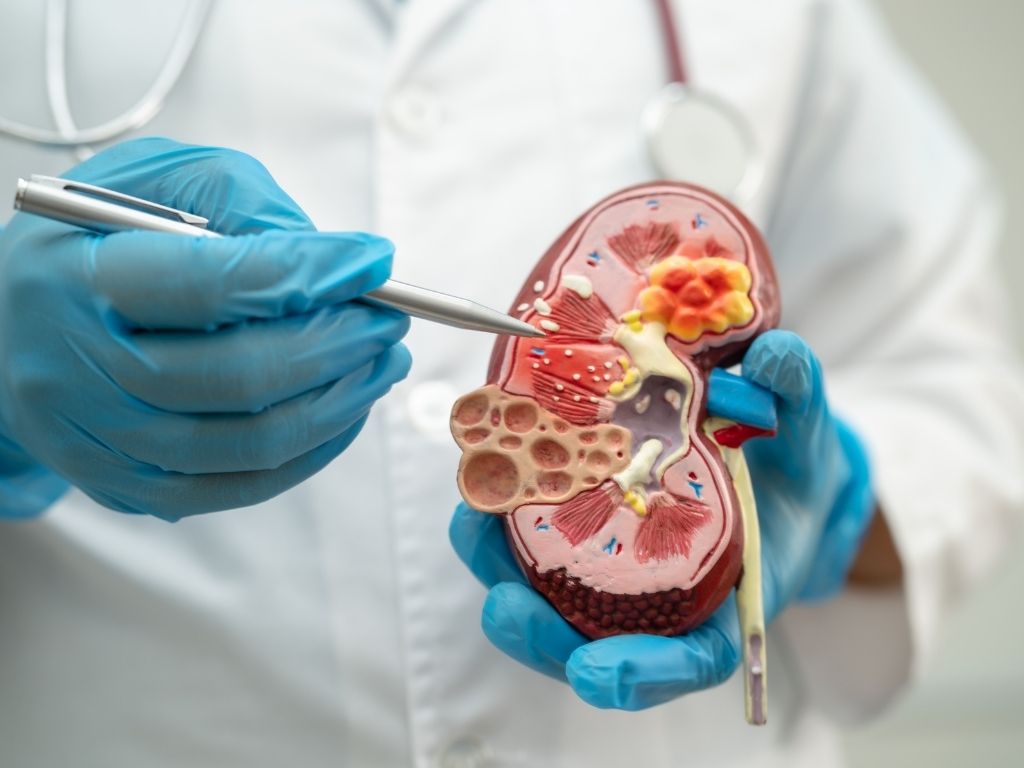
For example, two patients may each have a 6 mm stone. In one patient, the stone may be just a few centimeters away from the bladder, while in the other it may have only recently left the kidney. The follow-up plans for these two patients may be different.
For stones located within the kidney that do not cause obstruction, the stone's size, location, symptoms, and potential future risks are evaluated rather than immediately attempting to make it pass.
Stone Shape and Composition
Not all stones are perfectly round.
Some stones have smoother surfaces, while others may be irregular and angular. The shape of a stone may affect how it interacts with the ureteral wall and moves through the passage.
Therefore, although the largest diameter measured on computed tomography is important, it cannot independently predict exactly how the stone will move.
The chemical composition of the stone is particularly important when assessing the risk of future stone formation. Stones made of calcium oxalate, uric acid, or other substances may have different causes and prevention methods.
Previous Stone History and Anatomy
Having passed a kidney stone before does not necessarily mean that the next stone will also pass easily. However, a history of previous stones is important information during assessment.
Congenital or acquired narrowing of the ureter, previous urinary tract surgeries, and certain anatomical differences may affect the movement of a stone.
For people with only one kidney, the approach must be more cautious. If a stone blocks urine flow, the standard watchful waiting approach may not be appropriate because kidney function needs to be protected.
How Long Does It Take for a Stone to Pass? What Is the Limit of Waiting?
It is not possible to answer how long does it take for a stone to pass with an exact number of days that applies to everyone.
Some small ureteral stones may pass within a few days, while others may continue moving through the urinary tract for weeks.
The important factor is not only the amount of time that passes. The following conditions should also be met during the waiting period:
- Pain can be controlled with treatment
- There is no fever or evidence of infection
- Kidney function is preserved
- There is no significant obstruction to urine flow
- The person can drink fluids
- There is no special condition such as having a single kidney
Ureteral stones that are expected to pass naturally generally require follow-up. Imaging may be performed when necessary to check whether the stone is progressing and whether it is causing an obstruction in the kidney.
Complete disappearance of pain also does not necessarily mean that the stone has passed.
Sometimes pain decreases when a stone changes position. In other cases, a stone remaining in the ureter may continue to cause obstruction without producing pain. Therefore, especially if you have not seen the stone pass in your urine, follow-up recommendations should not be neglected.
Treatment to Facilitate Stone Passage
In suitable patients, a doctor may consider medical treatments commonly known as stone-passing medications.
The main purpose of these medications is not to dissolve or shrink the stone. In certain ureteral stones, the aim is to facilitate the stone's downward movement by affecting the muscles of the urinary tract.
This approach may be considered for ureteral stones of certain sizes and locations. However, it is not used for every kidney stone.
Whether the medication is appropriate should be decided by considering the stone's location and size, the patient's blood pressure, other medications being used, and overall health condition.
Painkillers do not eliminate the stone. Their primary purpose is to control pain during renal colic.
Therefore, when a stone is detected, an individualized medical evaluation is safer than using medications recommended by acquaintances or trying a treatment prescribed to someone else.
What Can Be Done at Home: Fluids, Movement, and Pain Management
One of the most common mistakes when trying to pass a stone at home is thinking that the more water you drink, the faster the stone will pass.
Fluid Intake
Adequate daily fluid intake is important. However, especially when a stone is blocking the ureter and causing severe pain, drinking several liters of water in a short period will not force the stone downward.
On the contrary, a rapid increase in urine production within an obstructed urinary system may intensify pain in some patients.
The goal is to avoid dehydration and, unless your doctor advises otherwise, maintain balanced fluid intake throughout the day.
Movement
Walking and light movement can generally be continued during daily activities. However, intense exercise or jumping for hours is not a reliable treatment for every stone.
Rather than forcing yourself during painful episodes, it is better to adjust your activity according to your symptoms.
Pain Management
Kidney stone pain can be extremely severe.
Using pain treatment recommended by a physician appropriately can make the waiting period more manageable. However, uncontrolled or high-dose medication use may pose risks, especially for people with kidney, stomach, or other health problems.
Kidney Stone Passage Myths: Beer, Jumping Rope, and Others
Not every method promoted online for passing kidney stones has a medical basis.
Does Beer Help Pass Kidney Stones?
No. Beer is not a treatment for kidney stones or a reliable method for helping them pass.
Beer is sometimes used as a folk remedy because it is believed to increase fluid intake and urine output. However, alcohol consumption should not be regarded as a treatment for kidney stones.
Drinking adequate fluids and consuming alcohol are not the same thing.
Does Jumping Rope Help Pass Kidney Stones?
Jumping rope is not a treatment that guarantees stone passage.
Although movement is thought to help some small stones progress, recommending intense jumping or similar activities without knowing the stone's size and location is not appropriate.
In particular, people experiencing severe pain do not need to push themselves physically.
Does Lemon Water Help Pass Kidney Stones?
Lemon water is not a method that can quickly dissolve and eliminate an existing ureteral stone.
Lemons and citrate-containing foods may be considered in dietary plans intended to prevent the recurrence of certain types of stones. However, they should not be regarded as an emergency treatment for an existing stone.
Does Drinking Plenty of Water Guarantee Stone Passage?
No. Drinking large amounts of water does not cause every stone to pass.
Adequate fluid intake is generally important for patients with kidney stones, but excessive water consumption alone may not resolve the problem if the stone's size, location, and the obstruction it causes remain unchanged.
Which Symptoms Require Emergency Medical Attention?
A small stone does not always mean that waiting at home is safe. Certain symptoms require prompt medical evaluation regardless of stone size.
Warning Signs
- Fever or chills
- Having a single kidney with suspected stone-related obstruction
- Complete cessation or significant reduction of urine output
- Pain that persists despite painkillers or becomes increasingly severe
- Inability to drink fluids due to persistent vomiting
- Significant deterioration in general health
A kidney stone accompanied by fever is a medical emergency.
An infection occurring together with a stone that obstructs the urinary tract can become a serious condition. Particularly when fever, chills, and kidney stone pain occur together, emergency medical evaluation is necessary rather than waiting at home for the stone to pass. In this situation, the priority is not merely breaking the stone but safely managing the infection and obstruction.
If the Stone Does Not Pass: Laser, ESWL, and Other Methods
If the stone does not progress during an appropriate follow-up period, pain continues, or obstruction develops, active treatment options may be considered.
Ureteroscopy and Laser Treatment
With ureteroscopy, the stone in the ureter can be reached through the urinary tract, and suitable stones can be fragmented using laser energy.
This method is one of the commonly used options, especially for ureteral stones that do not pass naturally.
ESWL
With ESWL, shock waves delivered from outside the body are used to break the stone into smaller fragments.
The size, location, and composition of the stone may affect its suitability for ESWL.
Other Methods
Different endoscopic procedures may be considered for larger stones, stones located in different parts of the kidney, or stones unsuitable for other treatment methods.
The choice of treatment depends not only on the stone's size in millimeters but also on its location, hardness, anatomical characteristics, and the patient's overall health.
Click here to learn more about laser kidney stone fragmentation.
After the Stone Passes: Have the Stone Analyzed
Passing a stone in the urine is a relief, but the process should not necessarily end there, especially if you have had kidney stones before.
If you notice the stone after it passes, you can, if possible, keep it in a clean container and take it to your doctor for analysis.
Stone analysis can provide information about whether the stone consists of calcium oxalate, uric acid, or another substance.
This information is valuable for preventing future stones.
People with recurrent kidney stones may require blood tests, urine tests, or more detailed metabolic evaluations. Dietary and fluid recommendations can also be planned according to the stone type and the person's individual risk factors.
Frequently Asked Questions