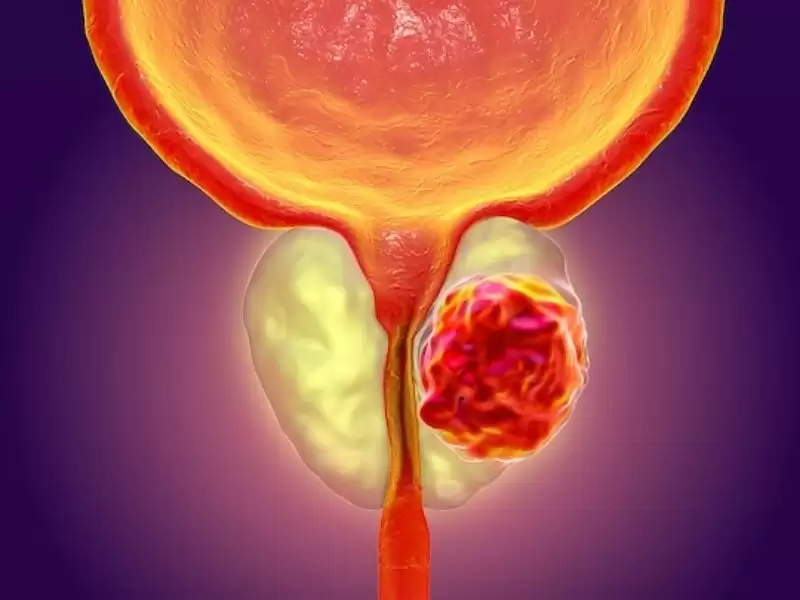
The recovery process after HoLEP begins when the surgery is completed and continues as urination patterns readjust, the surgical area heals, and the patient gradually returns to daily activities. During the first few days, symptoms such as mild blood in the urine, burning during urination, frequent urination, or a sudden urge to urinate may occur. The course of these symptoms may vary depending on prostate size, bladder function before surgery, and the patient's general health.
Recovery after HoLEP surgery involves more than simply healing the surgical area. The bladder, which may have been working against an enlarged prostate for a long time, may also need time to adapt to the new conditions of urine flow. Therefore, although a noticeable improvement in urinary flow may occur early, symptoms such as urinary control problems, urgency, and nighttime urination may improve more gradually.
- What Happens Immediately After HoLEP Surgery?
- Hospital Stay and Catheter Use After HoLEP
- What Symptoms May Occur During the First Days After HoLEP?
- Is Blood in the Urine Normal After HoLEP?
- How Long Can Urinary Incontinence Last After HoLEP?
- When Does Urinary Flow Improve After HoLEP?
- Returning to Daily Life and Work After HoLEP
- Exercise and Heavy Lifting After HoLEP
- Sexual Life After HoLEP
- What Is Retrograde Ejaculation After HoLEP?
- Nutrition and Fluid Intake After HoLEP
- Factors Affecting Recovery After HoLEP
- When Should You Contact a Doctor After HoLEP?
- Frequently Asked Questions About Recovery After HoLEP

What Happens Immediately After HoLEP Surgery?
HoLEP surgery is an endoscopic surgical technique in which laser energy is used to remove prostate tissue that narrows the urinary passage due to benign prostate enlargement. The procedure is performed through the urethra without an external incision.
Immediately after surgery, a urinary catheter may be used to monitor urine output and help remove blood or small clots from the bladder that may originate from the surgical area. Bladder irrigation through the catheter may be performed when necessary.
During the first few hours, the healthcare team monitors urine color, urine volume, bleeding, blood pressure, and the patient's overall clinical condition. The patient's ability to drink sufficient fluids and move safely is also considered when planning discharge.
After HoLEP, many patients may have shorter hospital stays and catheterization periods compared with certain traditional prostate surgeries. However, these durations are determined according to the extent of surgery and the patient's condition.
Hospital Stay and Catheter Use After HoLEP
A urinary catheter after HoLEP is used to ensure regular bladder drainage and allow the initial healing period of the surgical area to proceed in a more controlled manner. The decision about when to remove the catheter is not based solely on a specific hour or day.
Factors such as urine color, degree of bleeding, presence of clots, prostate size, amount of tissue removed, and the patient's overall condition may be considered. After catheter removal, it is important to confirm that the patient can urinate adequately without assistance.
Some patients can urinate comfortably shortly after catheter removal, while others may experience burning, urgency, or an unusual sensation during their first urination. This may be related to the bladder and urethra adapting to the postoperative period.
What Symptoms May Occur During the First Days After HoLEP?
Many symptoms experienced during the first days after HoLEP are associated with healing of the surgical area and adaptation of the bladder to its new conditions.
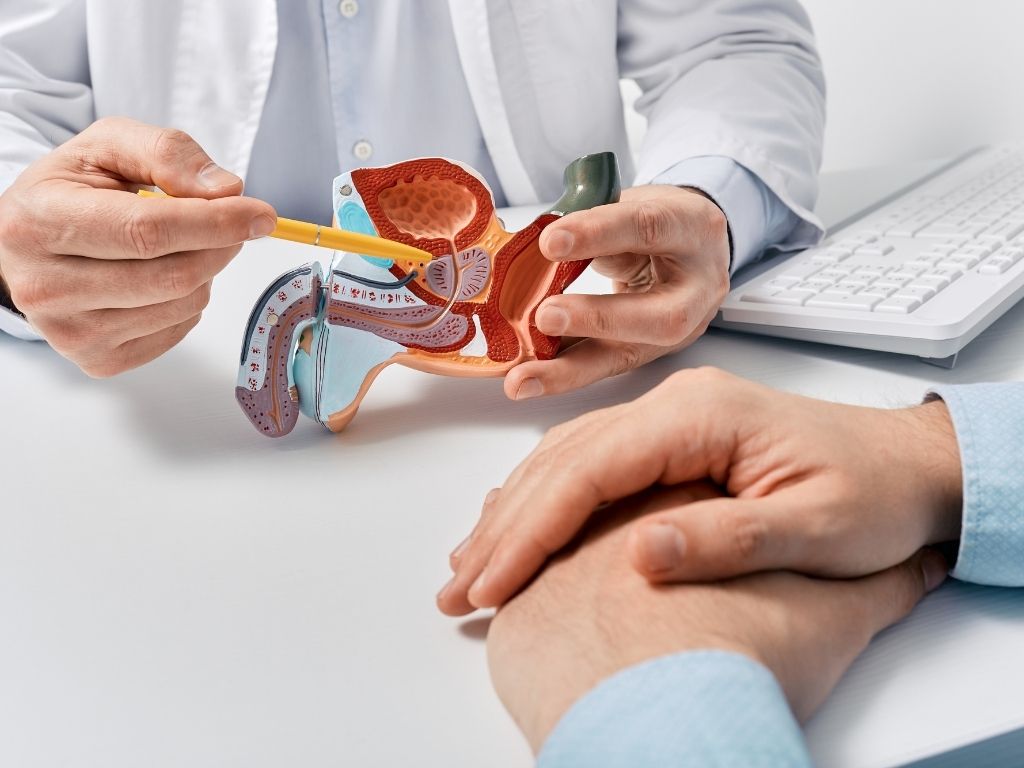
Symptoms that may occur during the early recovery period include:
- Mild burning or sensitivity during urination
- Urinating more frequently than usual
- A sudden need to urinate
- Continued nighttime urination
- Pink or light red urine
- Passing small blood clots
- Temporary urinary leakage or dribbling
- A sensation that the bladder has not emptied completely
The severity and duration of these symptoms vary from patient to patient. A bladder that has worked against obstruction caused by prostate enlargement for many years may require time to adapt to the more open urinary passage created after surgery.
Is Blood in the Urine Normal After HoLEP?
Blood in the urine after HoLEP may occur, particularly during the early healing period. The surface from which prostate tissue has been removed contains numerous small blood vessels. As this area heals, the urine may occasionally appear pink or reddish.
Increased movement, strenuous physical activity, or insufficient fluid intake may be accompanied by temporary darkening of the urine. Therefore, changes in urine color during recovery should be considered together with the patient's general condition.
If bleeding after HoLEP progressively increases, large amounts of clots develop, or urine output decreases significantly or stops completely, medical evaluation is necessary. Assessment should not be delayed, particularly if bleeding is accompanied by weakness, fever, or severe pain.
How Long Can Urinary Incontinence Last After HoLEP?
Urinary incontinence after HoLEP may occur temporarily in some patients, particularly during the early postoperative period. This does not always mean that the urinary continence mechanism has been permanently damaged.
When enlarged prostate tissue narrows the urethra for an extended period, it can change how the bladder and urinary control mechanisms function. Once the obstruction is removed, the bladder and muscles responsible for continence may need to adapt to the new situation.
Small amounts of urine leakage may occur, particularly when coughing, standing up, or performing physical activities. Leakage associated with a sudden urge to urinate may also occur.
Studies indicate that the frequency of postoperative urinary incontinence tends to decrease as follow-up time increases. Recovery rates may be influenced by age, prostate size, preoperative bladder function, and other health characteristics.
Pelvic floor muscle exercises may be recommended for some patients to help restore urinary control. However, the timing and method of these exercises should be determined by the physician according to the patient's condition.
When Does Urinary Flow Improve After HoLEP?
Because HoLEP removes enlarged prostate tissue that compresses the urethra, many patients may notice changes in urinary flow early after surgery. However, recovery after prostate surgery does not end simply when the urinary passage has been opened.
Long-term obstruction may have caused thickening of the bladder muscle, overactivity, or reduced bladder contraction strength in some patients. Therefore, even when surgery has been technically successful, bladder-related symptoms such as frequent urination, sudden urgency, or nighttime urination may continue for some time.
Assessment of recovery involves not only whether urine flows more quickly, but also whether the patient can empty the bladder comfortably, how urgency symptoms progress, and how daily quality of life improves.
Returning to Daily Life and Work After HoLEP
The time required to return to work after HoLEP varies according to the physical demands of the patient's occupation. Someone who works at a desk should not be expected to return to work at the same time as someone whose job involves frequent heavy lifting or intense physical exertion.
After discharge, light walking generally helps patients gradually regain their usual activity levels. However, standing for long periods, performing strenuous household chores, or engaging in physically demanding activities may not be appropriate during the early recovery period.
When considering a return to driving, it is important that the patient can sit comfortably, does not experience pain during sudden movements, and is not taking medications that may impair alertness.
For this reason, it is not appropriate to specify a single number of days for the recovery period after HoLEP surgery. Postoperative symptoms and the physical requirements of the patient's occupation should be evaluated together.
Exercise and Heavy Lifting After HoLEP
When planning exercise after HoLEP, light daily movement should be distinguished from intense physical exercise. Although short walks may be possible during the initial period, weight training, intense abdominal exercises, heavy lifting, and activities that increase straining should be approached with greater caution.
Intense physical activity can increase intra-abdominal pressure and may cause blood vessels that are healing in the surgical area to bleed again. Therefore, feeling well does not necessarily mean that the tissues have completely healed.
The timing of a return to sports and strenuous physical activities should be planned according to postoperative follow-up findings.
Sexual Life After HoLEP
When evaluating sexual life after HoLEP, erection, orgasm, and ejaculation should be considered separately. HoLEP is primarily intended to relieve urinary obstruction caused by benign prostate enlargement.
Before resuming sexual intercourse after HoLEP, the initial healing period of the surgical area should be completed. Early sexual activity may not be appropriate, particularly if bleeding in the urine or significant sensitivity persists.
Current studies show that ejaculation characteristics may change after HoLEP, but this does not necessarily indicate an equivalent loss of erectile function.
What Is Retrograde Ejaculation After HoLEP?
Retrograde ejaculation after HoLEP refers to semen traveling toward the bladder during orgasm instead of exiting through the tip of the penis. It is also commonly described as backward ejaculation or dry ejaculation.
When the enlarged portion of the prostate surrounding the urethra is removed during HoLEP, the functioning of the bladder neck and ejaculation mechanism may change. As a result, semen moves toward the bladder during orgasm and is subsequently eliminated from the body through urination.
This condition should not be confused with three separate concepts:
- Erection is the stiffening of the penis.
- Orgasm is the sensation of sexual pleasure and climax.
- Ejaculation is the release of semen from the body.
Therefore, the absence of visible semen does not necessarily mean that erections or orgasms have been lost. Current data also indicate that one of the most notable sexual changes after HoLEP involves ejaculatory function, while erectile function should be evaluated separately.
It is particularly important for men who plan to have children in the future to discuss this issue in detail with their physician before deciding on surgery.
Nutrition and Fluid Intake After HoLEP
One of the important considerations regarding what to pay attention to after HoLEP is fluid intake and bowel regularity. Unless the physician has identified a medical condition requiring fluid restriction, drinking sufficient fluids may help keep urine lighter in color and support regular bladder emptying.
Straining intensely due to constipation can increase intra-abdominal pressure. Therefore, eating fiber-rich foods, maintaining daily movement, and paying attention to bowel regularity may be beneficial during recovery.
Coffee, tea, and similar caffeinated beverages may increase urinary urgency or frequency in some individuals. Patients should observe whether their symptoms noticeably worsen after consuming these drinks.
Factors Affecting Recovery After HoLEP
Recovery speed is not the same for every patient. Several factors may influence how long symptoms persist after laser prostate surgery.
These factors include:
- Prostate size before surgery
- The extent to which prolonged obstruction has affected the bladder
- Whether a urinary catheter was used before surgery
- The condition of the urinary continence mechanism
- Use of blood-thinning medications or other drugs
- Coexisting conditions such as diabetes
- Age and overall physical condition
- Postoperative activity level
- Regular attendance at follow-up appointments
Bladder function is particularly important. In someone who has had benign prostate enlargement for a long time, the bladder may have worked against high pressure for years. Therefore, eliminating prostate obstruction and achieving complete improvement in bladder-related symptoms may not occur within the same period.
During evaluations for HoLEP surgery in Ankara, prostate size, the severity of urinary symptoms, bladder function, and the individual's general health should also be considered together.
When Should You Contact a Doctor After HoLEP?
Not every symptom during the early postoperative period indicates a complication. Nevertheless, certain changes require medical evaluation.
It may be appropriate to contact the healthcare team in the following situations:
- Significant difficulty urinating or complete inability to urinate
- Heavy or progressively increasing bleeding
- Large blood clots obstructing urine flow
- High fever or chills
- Severe or progressively worsening pain
- Significant deterioration in general condition
- New symptoms suggesting a urinary tract infection
In particular, inability to urinate accompanied by increasing fullness and pain in the bladder area should be evaluated without delay.